Aluminum profiles have become a key material in the modern construction industry, thanks to their versatility, durability and ease of processing. These profiles are used in various constructions, from residential buildings to commercial buildings, and their application is also expanding to industrial projects. Aluminum as a material offers numerous advantages, including resistance to corrosion, making it ideal for use in a variety of climates.
In this text, we will explore various aspects of aluminum profiles, including their advantages, types, technical characteristics, as well as the impact on architecture and sustainability. In recent decades, aluminum profiles have become synonymous with innovation in construction. Their use is not limited to structural elements; they are also used for decorative purposes as well as for making furniture and other products.
With the development of technology, aluminum profiles became more available and easier to process, which further increased their popularity. In this article, we will look in detail at all aspects of aluminum profiles and their role in the modern construction industry.
Key points
- Aluminum profiles are a popular material in the construction industry due to their lightness, durability and resistance to corrosion.
- The use of aluminum profiles in the construction industry enables quick and simple assembly, reduces maintenance costs and provides an aesthetically appealing appearance.
- There are different types of aluminum profiles, including L profiles, T profiles, tubular profiles and specially shaped profiles, which are used for different purposes in the construction industry.
- The technical characteristics of aluminum profiles include high thermal and electrical conductivity, good moisture resistance and recyclability.
- Aluminum profiles are increasingly used in architecture due to their flexibility, formability and modern appearance, thus contributing to sustainable and environmentally friendly design.
Advantages of using aluminum profiles in the construction industry
One of the most prominent advantages of aluminum profiles is their exceptional resistance to corrosion. Aluminum forms a natural protective oxide layer when it comes into contact with air, which makes it resistant to various chemical influences. This feature is especially important in construction projects located in humid or acidic environments, where other materials could fail quickly.
For example, aluminum profiles are often used in the construction of facades of buildings that are exposed to rain and snow, because they retain their aesthetic appearance and functionality over the years. In addition to corrosion resistance, aluminum profiles are also very light, which facilitates transport and assembly. Their low weight enables the reduction of transport costs and facilitates handling during construction.
Compared to steel or concrete structures, aluminum profiles require less support and can be used in lighter structures. This is especially useful in urban areas where space is limited and the weight of the material can affect the stability of the building.
Different types of aluminum profiles and their application

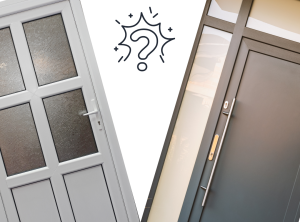
Aluminum profiles come in a variety of shapes and sizes, making them suitable for a wide range of applications. There are standard profiles such as U-profile, L-profile and T-profile, which are used for various construction purposes. For example, the U-profile is often used as a frame for windows and doors, while the L-profile is used to support and strengthen structures.
T-profile is a popular choice for making furniture and decorative elements. Apart from the standard shapes, aluminum profiles can be adapted to the specific needs of the project. Many manufacturers offer the possibility of custom-made profiles, which allows architects and engineers to create unique structures that match their visions.
For example, aluminum profiles are used in the production of glass facades that require precise dimensions and shapes in order to achieve the desired aesthetic effect.
Technical characteristics of aluminum profiles
| Profile type | Rock thickness (mm) | Weight (kg/m) | Maximum length (m) |
|---|---|---|---|
| In profiles | 1.5 | 0.48 | 6 |
| L-profiles | 2.0 | 0.68 | 7 |
| T-profiles | 1.8 | 0.58 | 6.5 |
The technical characteristics of aluminum profiles play a key role in their application in construction. Aluminum is known for its high strength-to-weight ratio, which makes it ideal for structural elements. For example, aluminum profiles can withstand high loads without deformation, which makes them suitable for use in high-rise buildings or bridges.
In combination with appropriate insulation materials, aluminum profiles can significantly reduce heat loss in buildings, thereby increasing the building's energy efficiency. Also, aluminum is easily amenable to anodization or coating, which provides additional protection against corrosion and aesthetic adjustment.
Aluminum profiles in architecture
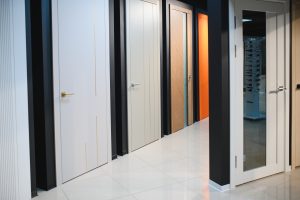
In architecture, aluminum profiles have become a favorite material due to their versatility and aesthetic possibilities. Architects use aluminum profiles to create modern and innovative designs that combine functionality with aesthetics. For example, many modern buildings use aluminum facades that allow maximum transparency and light inside the space.
In addition, aluminum profiles allow the creation of complex geometric shapes that would be difficult or impossible to create from other materials. This ability to adapt to form and function makes aluminum an ideal choice for architectural projects that strive for a unique visual identity. Many famous buildings around the world use aluminum profiles as a key element of their design, thus contributing to the contemporary urban landscape.
Sustainability and environmental aspects of aluminum profiles
Sustainability has become one of the most important factors in the construction industry, and aluminum profiles offer numerous environmental benefits. Aluminum is a material that can be recycled without losing quality, making it an extremely sustainable choice. The aluminum recycling process requires only 5% of energy needed to produce new aluminum from raw materials, which significantly reduces carbon dioxide emissions.
In addition, aluminum profiles contribute to the energy efficiency of buildings through their ability to reduce energy consumption for heating and cooling. By using aluminum profiles with good thermal insulation, buildings can reduce their ecological footprint and contribute to the preservation of natural resources. In light of global climate change, the use of sustainable materials such as aluminum profiles is becoming increasingly important.
Modern technologies in the production of aluminum profiles
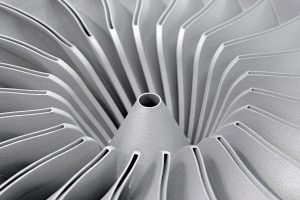
Modern technologies play a key role in the production of aluminum profiles. Advanced methods such as extrusion and CNC processing enable the precise production of profiles with high quality standards. Aluminum extrusion enables the creation of complex shapes that are required for specific applications in construction.
In addition, digitization and automation of the production process contribute to increasing efficiency and reducing costs. The use of software solutions for design and simulation allows engineers to optimize the profile design before starting production. These technologies not only improve the quality of products but also shorten the time required for the realization of projects.
Conclusion: The future of aluminum profiles in the construction industry
The future of aluminum profiles in the construction industry looks bright thanks to their many advantages and customization options. As the world faces the challenges of climate change and the need for sustainable solutions, aluminum will play an increasingly important role in the development of environmentally friendly construction practices. With constant advancements in technology and innovations in design, aluminum profiles are expected to continue to shape the future of architecture and construction globally.
Aluminum profiles are very popular materials for making windows and doors due to their durability and aesthetic appearance. However, it is important to know how to properly ventilate and heat rooms with aluminum joinery. In the article Proper ventilation and heating - aluminum and PVC joinery you can find useful tips on maintaining rooms with aluminum joinery. Also, aluminum profile coloring technologies play an important role in preserving their appearance and quality. You can find more information about these technologies in the article Technologies of painting aluminum profiles. For those interested in broken thermal bridge systems, we recommend exploring the M11000 Alutherm Plus model which offers excellent thermal insulation and energy efficiency.
FAQ
What are aluminum profiles?
Aluminum profiles are pieces of aluminum used in construction and industry to make various structures, windows, doors, facades, furniture and other products.
What are the advantages of using aluminum profiles?
Aluminum profiles are light, durable, corrosion resistant, flexible for shaping and recyclable material. Also, they have good heat and sound insulation.
How are aluminum profiles produced?
Aluminum profiles are produced by the extrusion process, where the aluminum alloy is pushed through dies to obtain the desired shape of the profile.
Where are aluminum profiles used?
Aluminum profiles are used in construction for the production of windows, doors, facades, roofs, fences, as well as in industry for the production of machine parts, transport systems and furniture.
How are aluminum profiles maintained?
Aluminum profiles are easily maintained by cleaning with water and a mild detergent. Also, they can be protected by coating with special coatings that extend their life and maintain their aesthetic appearance.