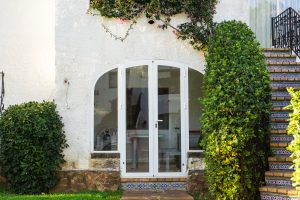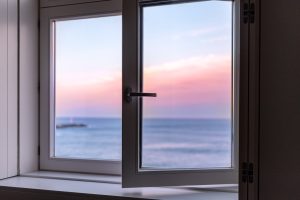
Sills are horizontal surfaces located below windows, usually on the inside of walls. They serve as an aesthetic element, but also as a functional part of the space. Their main purpose is to provide support to the window, but they also play an important role in protecting the wall from moisture and condensation that may occur on the window surface.
In many cases, these boards are made of different materials, which allows them to adapt to different interior styles and user needs. In addition to being functional, window sills can also be decorative elements that contribute to the overall look of the room. They can be found in different shapes, sizes and colors, which allows for creative expression when decorating the home.
In some cases, window sills are used as additional storage space for small items or plants, which further enriches the ambiance.
Key Takeaways
- Window sills are horizontal surfaces that are placed under the window to protect against moisture and as a decorative element.
- Different materials for window sills include wood, PVC, composite materials, marble, granite and metal.
- The advantages of using window boards include moisture protection, improved aesthetic appearance of the space and additional insulation.
- How to choose the right window sill for your window depends on the dimensions of the window, interior style and budget.
- Installation and maintenance of window sills requires precision during installation and regular cleaning to preserve appearance and functionality.
Different materials for window sills
Window sills can be made of various materials, and the choice depends on the desired style, budget and functionality. Wood is one of the most popular materials for window sills. It brings warmth and natural beauty to the space, and can be easily processed and adapted to different dimensions.
Wooden planks are often coated with varnish or paint to protect them from moisture and wear. In addition to wood, PVC and composite materials are becoming increasingly popular due to their resistance to moisture and ease of maintenance. These boards are available in different colors and textures, making them ideal for modern interiors.
Metal window sills, such as aluminum or steel, are also used in contemporary designs, providing an industrial look that can be very appealing.
Advantages of using window boards
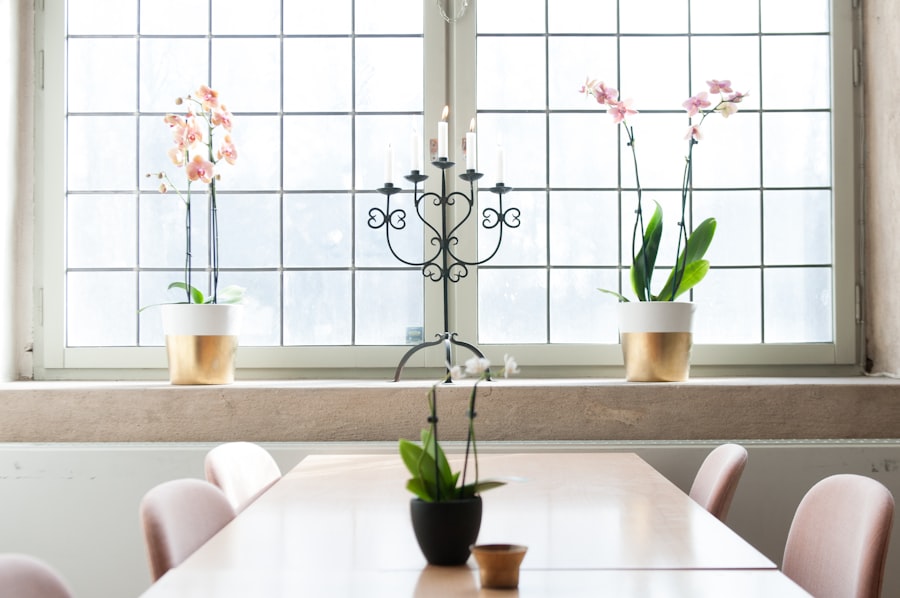
One of the main advantages of window boards is their ability to protect walls from damage caused by moisture and condensation. When the windows are opened or when the temperature changes, water can collect on the windowsill. Sills act as a barrier to prevent water from seeping into the walls, reducing the risk of mold and other moisture problems.
In addition to protection, window sills also contribute to the aesthetic appearance of the space. They can be made in different styles and colors, which allows them to fit perfectly into the interior. Also, they can serve as an additional space for decoration, where you can place flowers, books or other small things that will enrich the appearance of the room.
In this way, window sills are not only functional, but also contribute to the creation of a pleasant ambience.
How to choose the right window sill for your window
| Window type | Window sill material | Board dimensions | Color |
|---|---|---|---|
| Wooden windows | Wood | Custom dimensions | Different colors |
| Aluminum windows | Aluminum | Standard dimensions | White, gray, brown |
| PVC windows | PVC | Custom dimensions | Different colors |
Choosing the right window sill requires consideration of several factors. First, it is important to consider the material from which the board will be made. If you are looking for something that is easy to maintain and resistant to moisture, PVC or composite materials may be the best choice.
On the other hand, if you want the natural look and warmth that wood provides, wooden planks are the way to go. The dimensions of the window also play a key role in choosing a window sill. The board should be wide enough to provide stable support and fit into the space below the window.
Also, consider the style of the interior - classic wooden planks will fit better in traditional spaces, while metal or PVC planks can be a perfect choice for modern or industrial interiors.
Installation and maintenance of window boards
Installation of window boards can be simple or complex, depending on the type of material and construction of the window. In most cases, the board is attached to the wall under the window using screws or glue. Before starting the installation, it is important to prepare the surface so that it is clean and dry.
Also, it is recommended to use a level to ensure that the board is level. The maintenance of window boards depends on the material from which they are made.
PVC and composite boards are usually easier to maintain; occasional wiping with a damp cloth is sufficient to remove dust and stains. Either way, regular maintenance will help keep your window sills looking like new.
Decorative possibilities of window boards
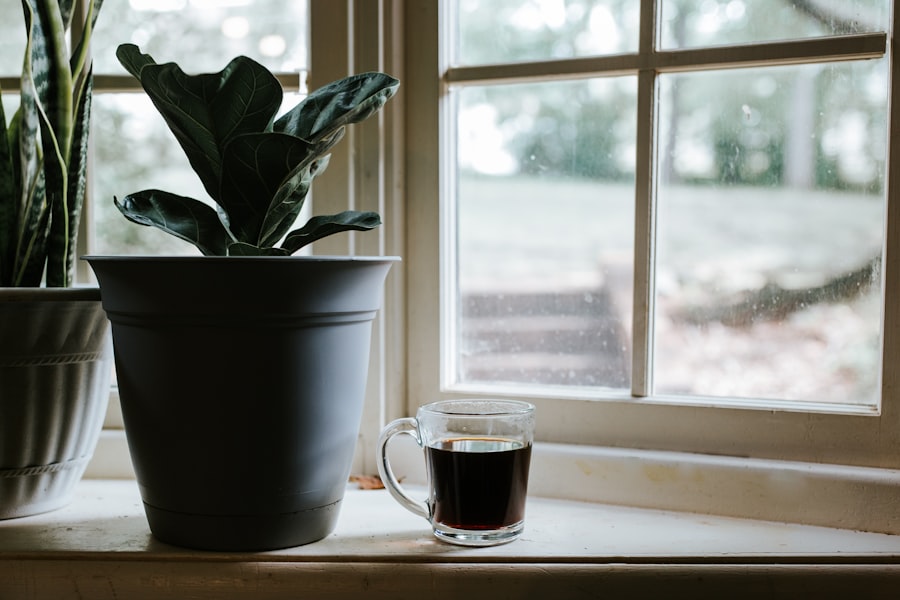
Window sills offer numerous decorative possibilities that can enrich any space. They can be painted in different colors or coated with special varnishes that give them a glossy or matte finish. Also, it is possible to use different woodworking techniques to achieve a unique look – for example, the wood can be sanded or painted in multiple layers to get a depth of color.
In addition to color and finish, window sills can be decorated with various decorative elements such as moldings or artistic carvings. These details can add character to a space and make it unique. Also, you can use the space on the boards to place plants or decorative items that will further enrich the visual impression.
Window sills as part of energy efficiency
Window sills play a significant role in the energy efficiency of the home. They help reduce heat loss through the windows, thus improving the overall insulation of the space.
In combination with well-insulated windows, window sills can significantly contribute to reducing energy consumption. For example, using wood or composite materials that have good insulating properties can further improve the energy efficiency of the home. This not only helps to preserve the environment but also brings financial savings in the long run.
Tips for buying and installing window sills
When buying window sills, it is important to pay attention to the quality of the material. Always choose products from reputable manufacturers that offer a warranty on their products. Also, check the window dimensions before purchasing to ensure the board will fit perfectly.
When installing window sills, it is recommended to hire a professional if you are not confident in your installation skills. Correct placement is key to longevity and functionality of the boards. Also, don't forget about regular maintenance to preserve their appearance and functionality over time.
Window sills are an important part of every residential building, and quality aluminum joinery can significantly contribute to the aesthetics and energy efficiency of the building. Betaplast offers a wide range of systems with an interrupted thermal bridge that enable a high level of insulation. In the reference for the residential building at the address Majevička in Novi Sad, you can see how the window sills and Betaplast aluminum joinery contributed to the modern look and functionality of the building. More information can be found at this link.
FAQ
What are window sills?
Window sills are horizontal surfaces that are placed under the window in order to aesthetically and functionally complement the interior of the room.
What are the functions of window sills?
Window sills have several functions, including aesthetically complementing the space, adding additional storage space, as well as protecting the wall below the window from moisture and damage.
What materials are used to make window sills?
Sills can be made from a variety of materials, including wood, PVC, composite materials, marble, granite and other types of stone.
How are window sills installed?
Installing window boards usually involves measuring the space under the window, cutting the board to the required dimensions, preparing the area under the window, and installing the board using the appropriate tools and fixing materials.
How to maintain window sills?
Maintenance of window sills depends on the material from which they are made. Wooden planks require regular cleaning and coating with moisture protection, while PVC and composite planks usually only require regular cleaning with water and mild detergents.