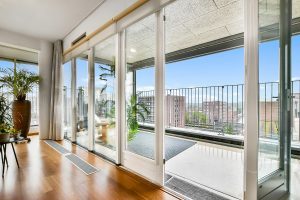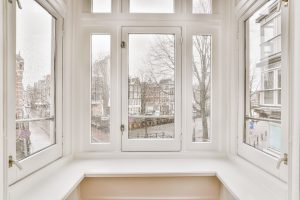
The aesthetic appearance of the material plays a key role in contemporary architecture and interior design.
For example, aluminum windows and doors offer a contemporary and elegant look that easily fits into a variety of building styles, from classic to modern.
Their smooth surface and the possibility of anodization enable a wide range of finishes that can further enrich the aesthetic experience. In addition, aluminum can be molded into various shapes and sizes, making it an extremely flexible design material. Many architects and designers use aluminum to create unique and innovative structures that attract attention.
For example, aluminum facades are often used in commercial buildings due to their ability to reflect light and create dynamic visuals during the day, while at night they can be illuminated in a way that further emphasizes their beauty.
Key Takeaways
- Aesthetic appearance:
- Aluminum fences provide a modern and elegant look to any space.
- Corrosion resistance:
- Aluminum is resistant to corrosion, which makes it an ideal material for outdoor fences.
- Energy efficiency:
- Aluminum fences provide good insulation and reduce energy loss.
- Easier assembly:
- Aluminum fences are light and easy to assemble, which saves time and money.
- Longevity:
- Aluminum fences are long-lasting and require minimal maintenance, making them an economical choice.
Corrosion resistance
Corrosion resistance is one of the most important factors when choosing materials for construction projects. Aluminum is naturally resistant to corrosion thanks to the formation of a protective oxide layer when it comes into contact with air. This layer not only protects the aluminum from further deterioration, but also allows it to retain its physical and aesthetic characteristics over a long period of time.
Compared to steel, which requires additional treatments to protect it from rust, aluminum is a much more practical choice for exterior applications. In industrial environments, where materials are often exposed to chemicals and extreme conditions, aluminum exhibits exceptional resistance. For example, in shipbuilding, aluminum is used for its ability to withstand salt water without significant damage.
This corrosion resistance not only extends product life, but also reduces maintenance and replacement costs, making it a cost-effective solution in the long run.
Energy efficiency

Energy efficiency is becoming an increasingly important topic in the construction industry, and aluminum is proving to be an excellent choice for achieving these goals. Aluminum windows and doors are often equipped with special glasses that reduce heat loss and improve insulation. These properties allow buildings to maintain optimal temperatures throughout the year, reducing the need for heating and cooling.
In this way, the use of aluminum can significantly reduce energy consumption and energy costs. In addition, aluminum is an excellent conductor of heat, which means it can be used in systems that require efficient temperature management. For example, in solar panels, aluminum frames help optimize system performance by enabling faster heating and more efficient use of solar energy.
This combination of energy efficiency and environmental awareness makes aluminum one of the most desirable materials in modern construction.
Easier installation
| Product | Number of installations | Installation time (in hours) |
|---|---|---|
| Easier assembly 1 | 25 | 2 |
| Easier assembly 2 | 30 | 1.5 |
| Easier assembly 3 | 20 | 2.5 |
One of the advantages of aluminum is its relative ease of installation. Compared to heavier materials such as steel or concrete, aluminum is significantly lighter, which makes it easier to transport and handle during construction work. This reduces installation time and allows projects to be completed more quickly. For example, aluminum windows are often supplied as ready-made products that are easy to install without the need for additional adjustments.
In addition, aluminum systems often come with pre-made components that facilitate assembly. Many manufacturers offer detailed instructions and support during installation, which further simplifies the process. This efficiency not only saves time, but also reduces labor costs, making aluminum an attractive option for investors and contractors.
Longevity
The durability of the material is a key factor affecting its economic profitability. Aluminum is known for its exceptional wear and weather resistance, making it an ideal choice for outdoor applications. For example, many buildings that use aluminum facades can last for decades without the need for significant repairs or renovations.
This durability not only reduces maintenance costs, but also contributes to the sustainability of construction projects. In the automotive industry, aluminum is used for its ability to withstand extreme driving conditions and weathering.
These properties contribute to the increasing popularity of aluminum as a material that not only meets aesthetic and functional requirements, but also provides long-lasting solutions for various industrial applications.
Various colors and designs
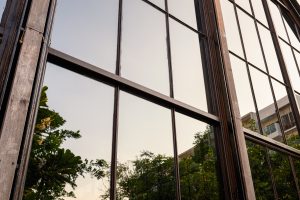
One of the advantages of aluminum is its ability to adapt to different aesthetic requirements through a wide range of colors and designs. Aluminum products can be anodized or painted in different shades, which allows architects and designers to create unique visuals that match specific project needs. For example, modern commercial buildings often use aluminum facades in combination with glass elements to create an attractive appearance that attracts the attention of passers-by.
In addition, the possibility of personalizing aluminum allows the creation of products that fit perfectly into the existing environment. Many manufacturers offer custom solutions that allow customers to choose colors, textures and finishes according to their preferences. This flexibility makes aluminum an ideal choice for projects that require a unique design approach.
Maintenance
Material maintenance is another important aspect to consider when choosing building materials. Aluminum requires minimal maintenance compared to other materials such as wood or steel. Its corrosion resistance means it does not require regular painting or moisture protection, which can significantly reduce maintenance costs over time.
In practice, this means that building owners can enjoy the long-term appearance of their buildings without the need for frequent interventions. In addition, cleaning aluminum surfaces is simple and quick. In most cases, it is enough to use a mild soap and water to remove dirt and stains.
This ease of maintenance contributes to the popularity of aluminum as a material for windows, doors and facades in residential and commercial buildings.
Environmental friendliness
Environmental acceptability of materials is becoming an increasingly important topic in the modern construction industry. Aluminum is a recyclable material that can be recycled without losing its properties. This recycling process requires only 5% of energy needed to produce new aluminum from raw materials, making it an extremely environmentally friendly choice.
In a world where resources are limited, aluminum recycling represents a significant step towards sustainable development. In addition, the use of aluminum in construction projects can contribute to the reduction of carbon dioxide emissions. Buildings that use aluminum elements often have better energy efficiency, which reduces the need for fossil fuels for heating and cooling.
This combination of recycling and energy efficiency makes aluminum one of the most sustainable materials available on the market today.
Aluminum windows are an excellent choice for hotel renovations, as is the case with Hotel Beška, which used Betaplast windows. If you have old joinery that you want to replace, Betaplast offers solutions that will improve the appearance and energy efficiency of your home. Also, it is important to think about exposure to UV rays and how to control them through the use of solar panels and proper room lighting. For more information visit this article.
FAQ
What are aluminum windows?
Aluminum windows are windows whose frames are made of aluminum, a light metal that is corrosion-resistant and long-lasting.
What are the advantages of aluminum windows?
Aluminum windows are extremely resistant to weather conditions, easy to maintain, long-lasting and provide good insulation from noise and heat.
Are aluminum windows environmentally friendly?
Aluminum windows are recyclable and have a long lifespan, making them an environmentally friendly choice.
How are aluminum windows maintained?
Aluminum windows are easy to maintain by cleaning with soap and water, and occasionally lubrication of the mechanisms is recommended.
Can aluminum windows be energy efficient?
Yes, aluminum windows can be energy efficient if they have a thermal break in the frame and a quality thermal insulating glass unit.