Aluminum facades represent a modern solution in architecture and construction, which is used to cover the exterior walls of buildings. These facades are made of aluminum, a light and durable material that can be molded into different shapes and sizes. Aluminum is known for its resistance to corrosion, which makes it ideal for use in a variety of climates.
Aluminum facades can be in the form of panels, composite materials or as part of glass facades, which achieves a modern and attractive appearance of the building. In addition to aesthetic advantages, aluminum facades also offer functional characteristics that contribute to the energy efficiency of buildings. They can be used in combination with thermal insulation materials, which reduces energy consumption for heating and cooling.
These facades are also adaptable to different architectural styles, making them a popular choice among architects and investors.
Key Takeaways
- Aluminum facades are exterior cladding of buildings made of aluminum panels or profiles.
- The advantages of aluminum facades include durability, easy installation, weather resistance and low maintenance.
- The aesthetic aspects of aluminum facades include various colors, textures and the possibility of shaping as desired.
- Aluminum facades are resistant to corrosion, fire and UV radiation, which makes them a long-lasting solution for cladding buildings.
- Environmental aspects of aluminum facades include the possibility of material recycling and energy efficiency of installation.
Advantages of aluminum facades
One of the most outstanding advantages of aluminum facades is their exceptional resistance to weather conditions. Aluminum does not rust or corrode, which means that facades retain their appearance and functionality over a long period of time. This resistance allows aluminum facades to be used in a variety of climates, from wet coasts to dry interior.
Also, aluminum is easy to maintain, which further contributes to its popularity. In addition, aluminum facades are extremely light, which facilitates transport and assembly. Their low weight reduces the load on the building structure, which can be crucial in projects where it is important to maintain stability and safety.
Aluminum can also be recycled without losing quality, making it an environmentally friendly choice for modern construction projects.
Aesthetic aspects of aluminum facades
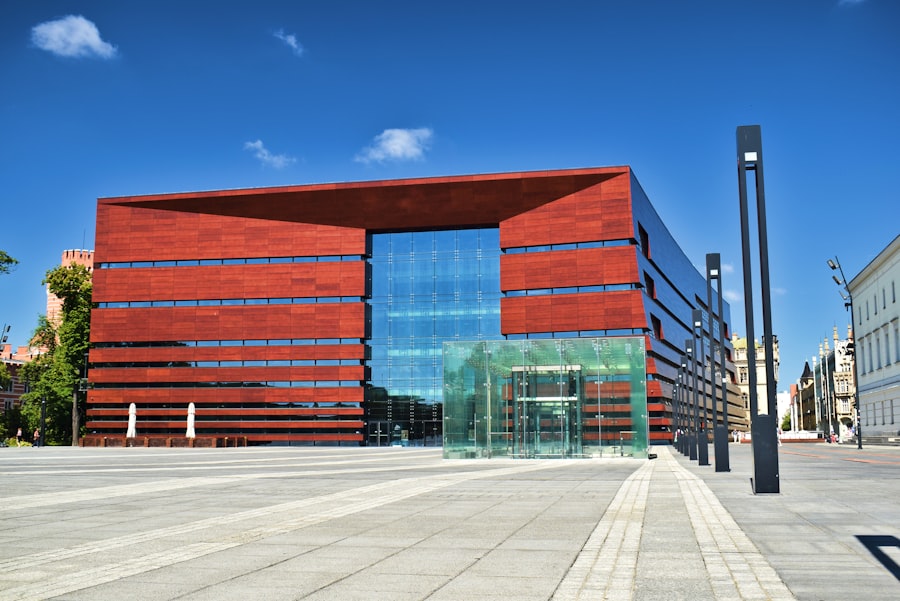
The aesthetics of aluminum facades play a key role in their popularity. Aluminum can be anodized or treated in a variety of ways to achieve different colors and textures. This flexibility allows architects to create unique and attractive facades that blend in with their surroundings or stand out as artistic elements.
Architectural appearance of buildings The possibility of combining aluminum with glass or other materials further enriches the visual experience of the building. In addition, aluminum facades can be designed with different shapes and lines, which enables the creation of modern and dynamic architectural solutions. These facades often use geometric shapes and asymmetrical compositions that attract the attention of passers-by.
In urban areas, aluminum facades contribute to creating a modern appearance of buildings, which improves the overall image of the city.
Resistance and durability of aluminum facades
| Parameter | Value |
|---|---|
| Corrosion resistance | High |
| Resistance to weather influences | Exceptional |
| Signs of wear | Minimum |
| Aesthetic quality | Long-lasting |
The resistance of aluminum facades to various external influences is one of the key factors that makes them a desirable choice for construction projects. Aluminum is UV resistant, which means it doesn't lose color or shine over time like other materials can. Also, aluminum facades are resistant to moisture and temperature changes, which reduces the risk of damage due to expansion or contraction of the material.
The durability of aluminum facades is also reflected in their ability to withstand mechanical loads and impacts. In urban environments where buildings are exposed to pollution and physical damage, aluminum facades provide long-term protection. Their structure allows easy repair or replacement of damaged parts without the need for complete reconstruction, which further extends the life of these facades.
Environmental aspects of aluminum facades
Environmental aspects of aluminum facades are becoming more and more important in the modern construction industry. Aluminum is a material that can be recycled without losing quality, making it a viable choice for new projects.
In addition, aluminum facades can contribute to the energy efficiency of buildings. By using thermal insulation materials in combination with aluminum panels, it is possible to significantly reduce energy consumption for heating and cooling. This energy efficiency not only reduces building maintenance costs, but also contributes to reducing the building's carbon footprint.
Installation and maintenance of aluminum facades
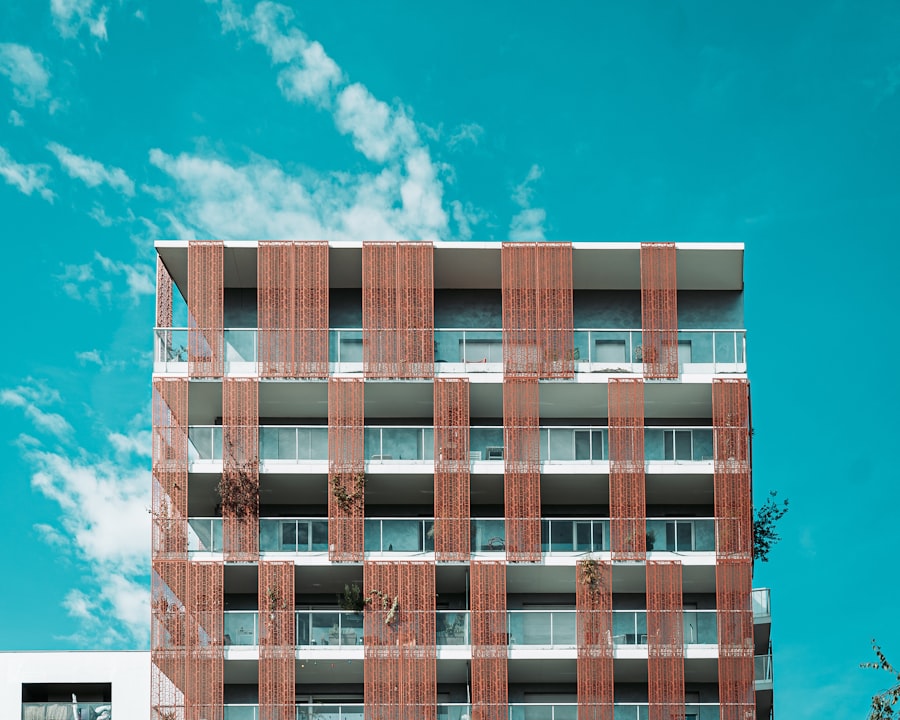
Installation of aluminum facades requires expertise and precision in order to ensure their functionality and durability. The installation process usually involves preparing the substrate, placing the supports and fixing the panels or composite materials. It is important that all steps are carried out according to standards to avoid problems with waterproofing or structural stability.
Maintenance of aluminum facades is relatively simple. Regular cleaning of surfaces helps preserve their appearance and prevent the accumulation of dirt or pollution. In most cases, it is sufficient to use mild detergents and water for cleaning.
It is also recommended to periodically check the joints and fixings to ensure that all elements are in good condition.
Price of aluminum facades
The price of aluminum facades can vary depending on several factors, including the type of material, the complexity of the design and the cost of installation. Aluminum panels are often more expensive than traditional materials like wood or concrete, but their durability and minimal maintenance costs can make this investment worthwhile in the long run. Also, costs can be lower when taking into account the energy savings that aluminum facades provide.
In some cases, additional costs may be incurred due to specialized design requirements or custom assembly. It is recommended that investors get multiple quotes from different contractors to compare prices and quality of service before making a final decision.
Tips for choosing an aluminum facade for your home
When choosing an aluminum facade for your home, it is important to consider several key factors. First, think about the aesthetic aspect - colors, textures and design should be in harmony with the style of your house and the environment. Taking local climate conditions into account is also key; for example, if you live in an area with high levels of humidity, choosing the right corrosion protection can be crucial.
Also, consult with experts who have experience working with aluminum facades for advice on best installation and maintenance practices. It's always helpful to research different manufacturers and their products to find the solution that best fits your needs and budget. Finally, consider the long-term benefits that aluminum facades offer in terms of energy efficiency and durability before making your final decision.
Aluminum facades are an excellent solution for modern design of buildings. However, it is important to choose the right system in order to achieve optimal thermal insulation. On the Betaplast website you can find useful information about systems with a broken thermal bridge, such as models Alutherm Light. You can also read more about the advantages of aluminum joinery and facades on their blog. If you are interested in a system without a broken thermal bridge, we recommend that you explore the model Prestige.
FAQ
What are aluminum facades?
Aluminum facades are exterior wall coverings consisting of aluminum panels or plates that are mounted on the facade of a building for protection and aesthetic improvement.
What are the advantages of aluminum facades?
Aluminum facades are extremely durable, resistant to weather conditions, easy to maintain, provide thermal insulation and can be shaped into different designs.
How are aluminum facades installed?
Aluminum facades are mounted on walls using brackets and fastening systems. The panels are placed next to each other and fixed to the supports.
How long do aluminum facades last?
Depending on the quality of the material and regular maintenance, aluminum facades can last between 20 and 50 years.
Are aluminum facades environmentally friendly?
Aluminum facades are recyclable and have a low carbon emission rate, making them an environmentally friendly choice for facade cladding.