One of the most important aspects when choosing materials for construction or renovation is durability. Materials used in the construction industry must be able to withstand different weather conditions as well as mechanical pressures over time. For example, steel and aluminum joinery are known for their exceptional strength and durability, making them ideal choices for the construction of buildings and other structures.
These materials not only provide stability, but also reduce the need for frequent repairs and renewals, which can significantly reduce costs over time. The durability of the material also affects the overall economic profitability of the project. Using materials that are resistant to wear and weather can reduce the need for replacement and maintenance, thereby extending the life of the facility.
For example, the use of composite materials in construction can bring long-term benefits, as these materials are often lighter and stronger than traditional ones, while providing resistance to various external influences.
Key Takeaways
- Durability and durability are the key features of the product
- Aesthetic appearance is an important factor when choosing a product
- Corrosion resistance is important for the longevity of the product
- Energy efficiency is important for reducing energy consumption
- Easier maintenance makes daily use of the product easier
Aesthetic appearance
The aesthetic appearance of materials plays a key role in architecture and interior design. The first impression that visitors have of a building is often shaped by its external appearance, and the choice of the right materials can significantly contribute to the overall visual experience. For example, wood is often used for its natural beauty and the warmth it brings, while glass can create a feeling of spaciousness and light.
The combination of these materials can result in impressive architectural solutions that attract attention. In addition to functionality, the aesthetic aspects of the material can affect the value of the property. Buildings that use high-quality and aesthetically appealing materials often have a higher market value.
For example, using natural stone or quality ceramics can add a luxurious look to a space, making it more attractive to potential buyers or tenants. In today's world, where visual identity is increasingly important, the choice of materials that offer aesthetic value is becoming increasingly important.
Corrosion resistance
Corrosion resistance is another key factor to consider when choosing materials for construction projects. Corrosion can significantly reduce the life of structures, especially in areas with high humidity or near the sea. Materials like stainless steel or aluminum are known for their resistance to corrosive processes, which makes them ideal for use in harsh conditions.
For example, many marinas use stainless steel to make ship parts and equipment because of its ability to withstand salt water. In addition, the application of protective coatings can further improve corrosion resistance. These coatings create a barrier between the materials and harmful elements from the environment, thus extending their service life.
In the construction industry, using such protective solutions can significantly reduce maintenance and repair costs over time. For example, buildings that use special coatings on metal parts often require fewer interventions during their life cycle.
Energy efficiency
| Category | Energy efficiency |
|---|---|
| Industry | Energy savings through more efficient production processes |
| Buildings | Use of energy-efficient materials and technologies for heating and cooling |
| Transportation | Switching to vehicles with lower fuel consumption or using alternative energy sources |
Energy efficiency is becoming an increasingly important topic in contemporary architecture and construction. The use of materials that contribute to the reduction of energy consumption can significantly reduce the costs of heating and cooling the building. For example, insulating materials such as glass wool or polyurethane foam can significantly improve the energy efficiency of a building, reducing the need for additional heating or cooling.
In addition, choosing windows with multi-layered glass can contribute to better energy efficiency. These windows reduce heat loss in the winter and keep the cold in during the summer, reducing the need to use air conditioning or heating. Combined with renewable energy sources, such as solar panels, it is possible to create buildings that are almost self-sustaining when it comes to energy consumption.
Easier maintenance
One of the key factors affecting the long-term profitability of construction projects is the ease of maintenance of the materials used. Materials that require minimal maintenance not only save time and money, but also contribute to preserving the aesthetics of the building over time.
Also, the choice of materials that are resistant to stains or wear can significantly facilitate the maintenance of interior spaces. Ceramic tiles or vinyl floor coverings are examples of materials that are easy to clean and maintain, while at the same time providing an aesthetically appealing appearance. In commercial spaces where there is a high frequency of people, easy maintenance becomes essential to preserve the professional appearance of the space.
Various colors and designs
Architectural freedom
This versatility allows architects and designers to create unique spaces that reflect the personality of the user or brand. For example, composite panel facades can be available in a wide range of colors and textures, allowing the creation of visually appealing buildings that stand out in an urban environment.
Harmonious interiors
Additionally, the ability to customize colors and designs allows for the creation of harmonious interiors that meet the needs of the user. Using different colors for walls or floors can affect the mood and productivity of the people who occupy that space.
Psychological effect of colors
In educational institutions, for example, bright colors can encourage creativity in students, while neutral tones can create a calm atmosphere conducive to learning.
Environmental sustainability
Environmental sustainability is becoming an increasingly important topic in the construction industry.
Materials such as recycled wood or ecologically produced concrete mixes reduce the negative impact on nature and help conserve resources.
In addition, environmentally sustainable materials often have lower levels of toxicity, contributing to a healthier indoor environment. For example, paints without VOC (volatile organic compounds) reduce indoor air pollution and contribute to better air quality for all users of the space. Considering the increasing focus on sustainability, the choice of environmentally friendly materials is becoming a key factor in contemporary architecture.
Safety and security
Safety and security are essential when choosing building materials. The materials must be resistant to various risks such as fires, earthquakes or burglaries. For example, the use of fire-resistant materials can significantly reduce the risk of fire spreading within a building.
Also, constructions using reinforced concrete provide greater resistance to seismic activity. In addition, security aspects include resistance to burglary and vandalism. The use of safety glass or steel doors can significantly increase the level of protection of the building against unauthorized entry.
In today's world where safety is an increasingly important topic, choosing the right materials becomes crucial for creating safe living and working spaces.
Aluminum carpentry is an excellent choice for modernizing living space. With quality joinery, like those you can find on this link, you can bring the outside in and create a perfect harmony between interior and exterior. You can see an example of how aluminum carpentry can fit into a residential building at this link. For doors of superior quality and elegance, we recommend that you take a look at the collection Prestige doors.
FAQ
What is aluminum joinery?
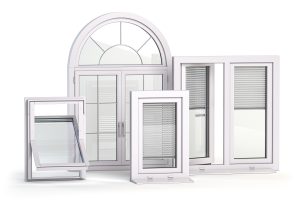
Aluminum carpentry is a type of carpentry made from aluminum profiles. This includes windows, doors, sliding systems, blinds and similar products.
What are the advantages of aluminum joinery?
Aluminum joinery is durable, resistant to corrosion, easy to maintain, has good thermal insulation and is aesthetically attractive. Also, aluminum is an environmentally friendly material because it can be recycled.
How to maintain aluminum joinery?
Aluminum carpentry is easy to maintain, by cleaning with soap and water. Regular maintenance can extend the life of the woodwork.
Can aluminum joinery be energy efficient?
Yes, aluminum joinery can be energy efficient if thermal insulation profiles and glasses with low emissive coating are used.
What is the price of aluminum joinery?
The price of aluminum carpentry depends on the dimensions, type of product and additional equipment. On average, aluminum joinery can be more expensive than PVC joinery, but it is a long-term investment due to its durability and quality.