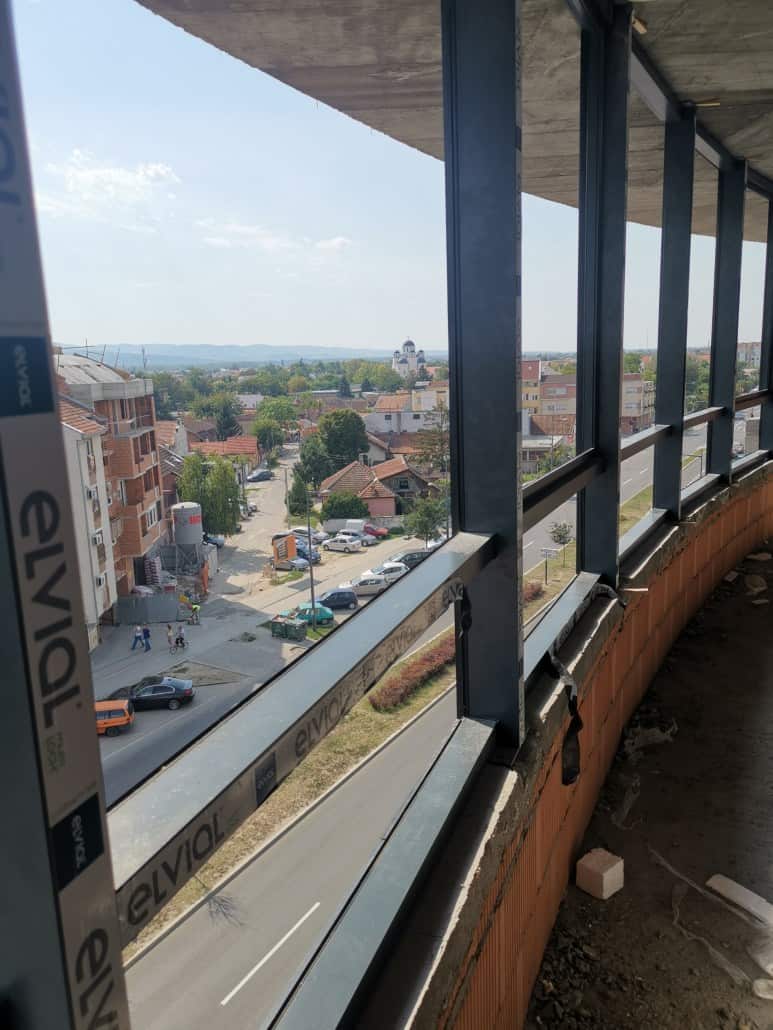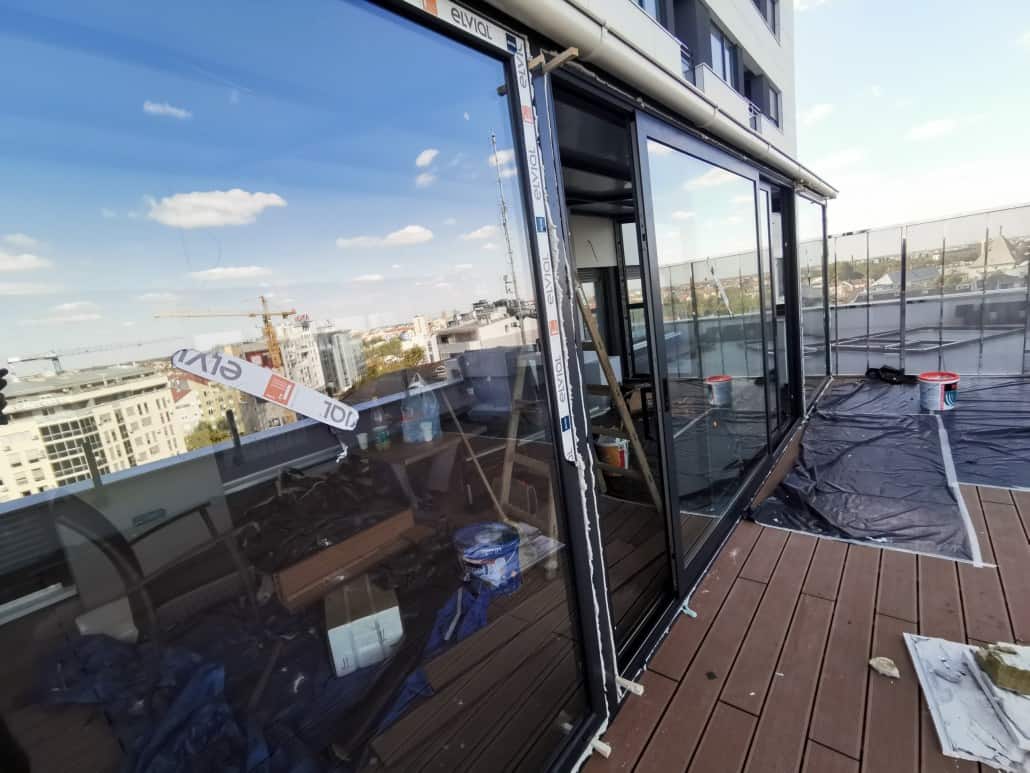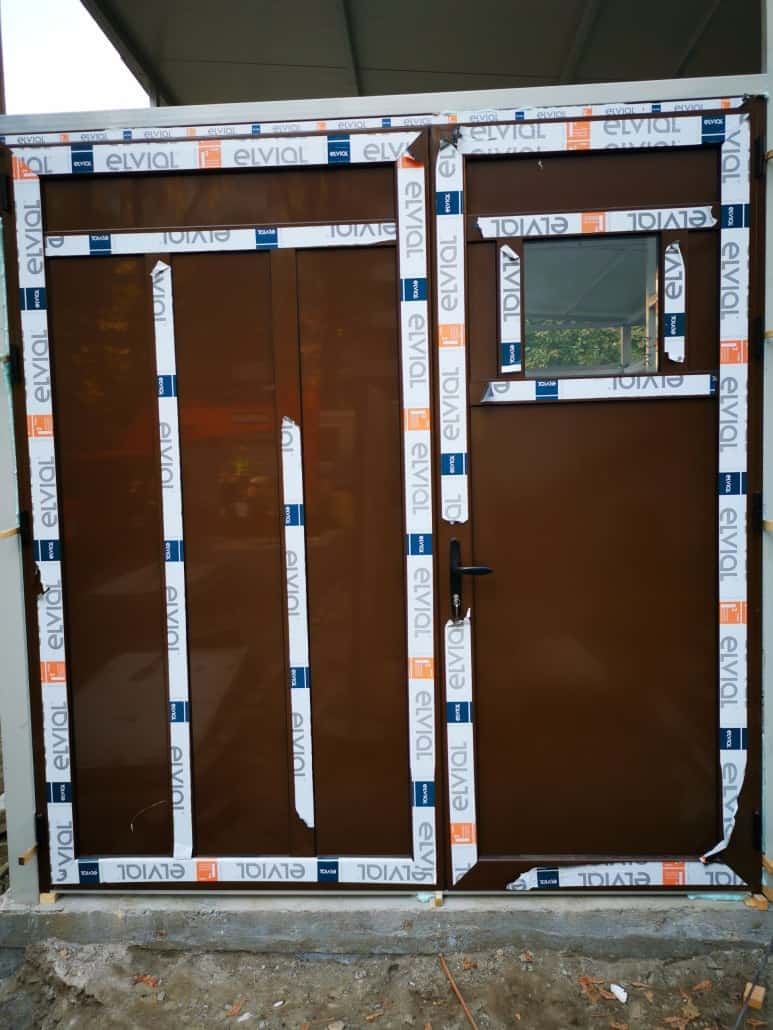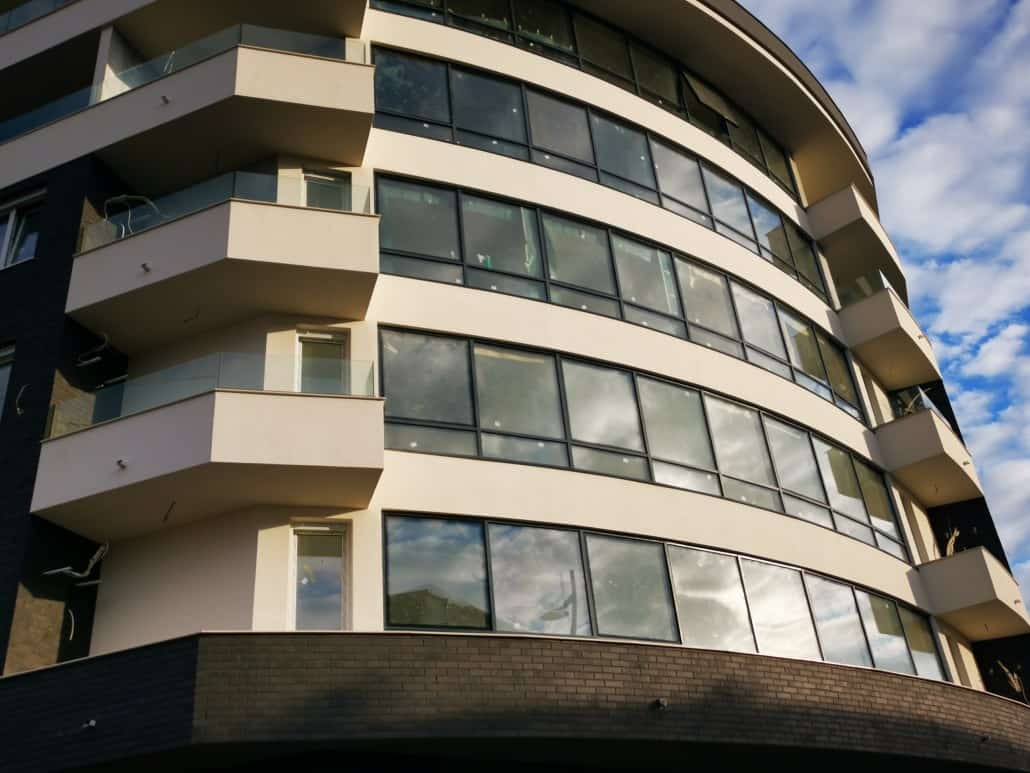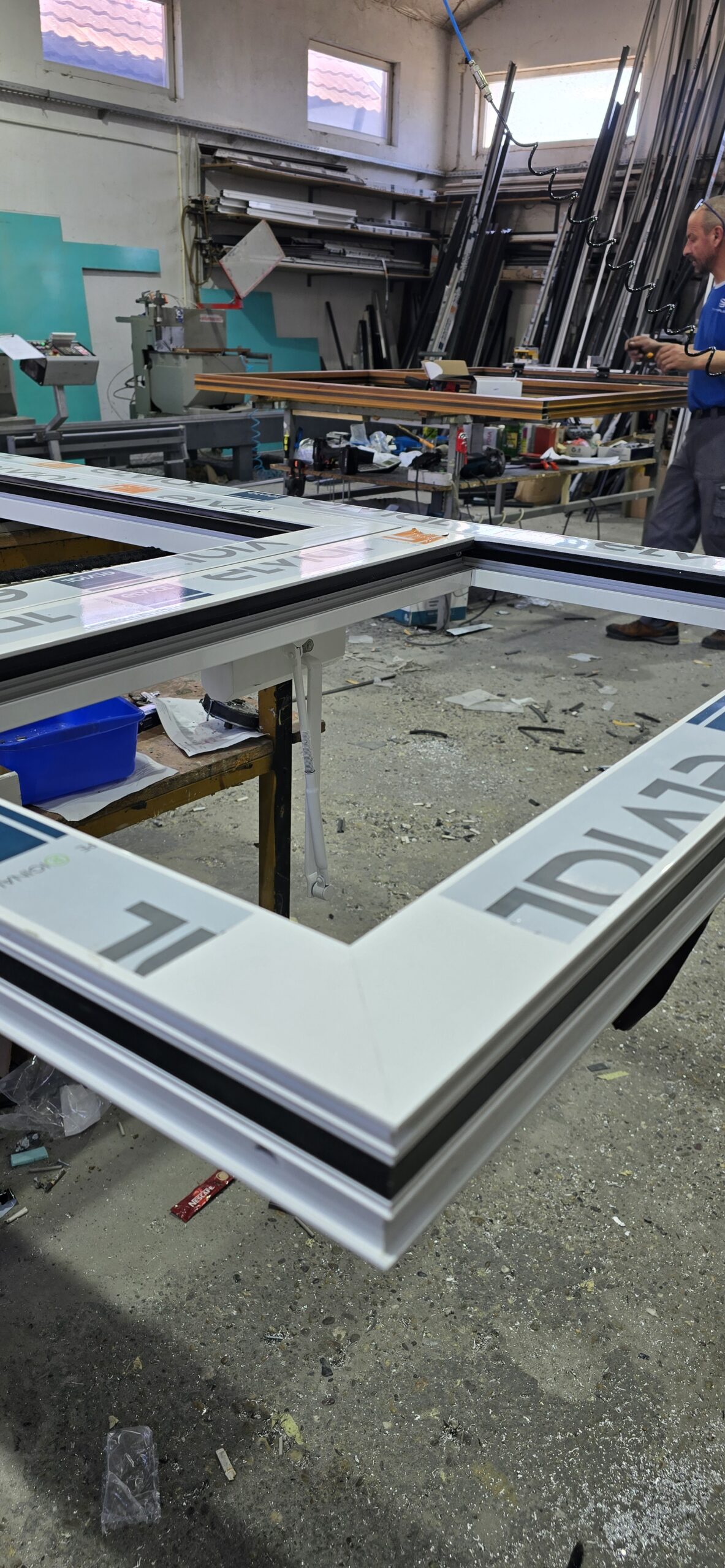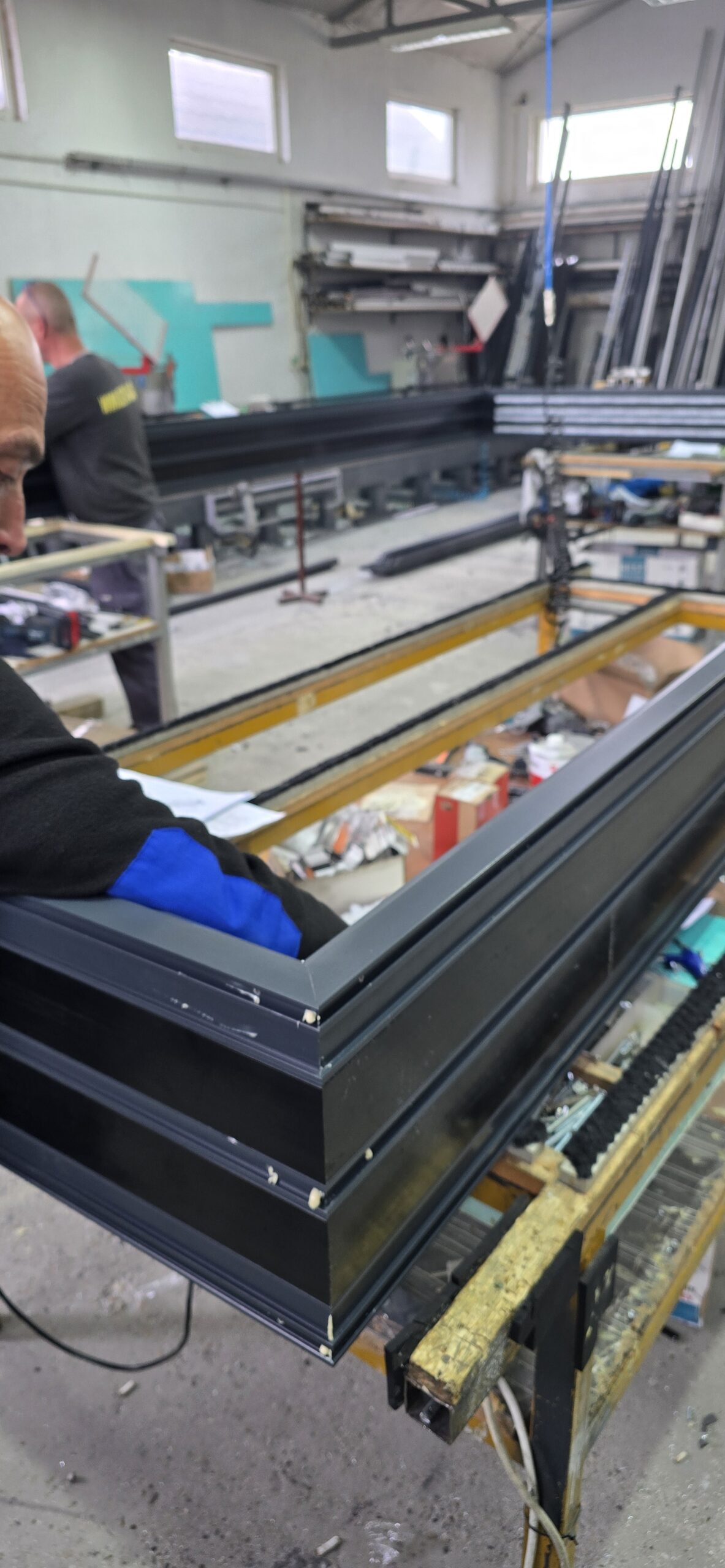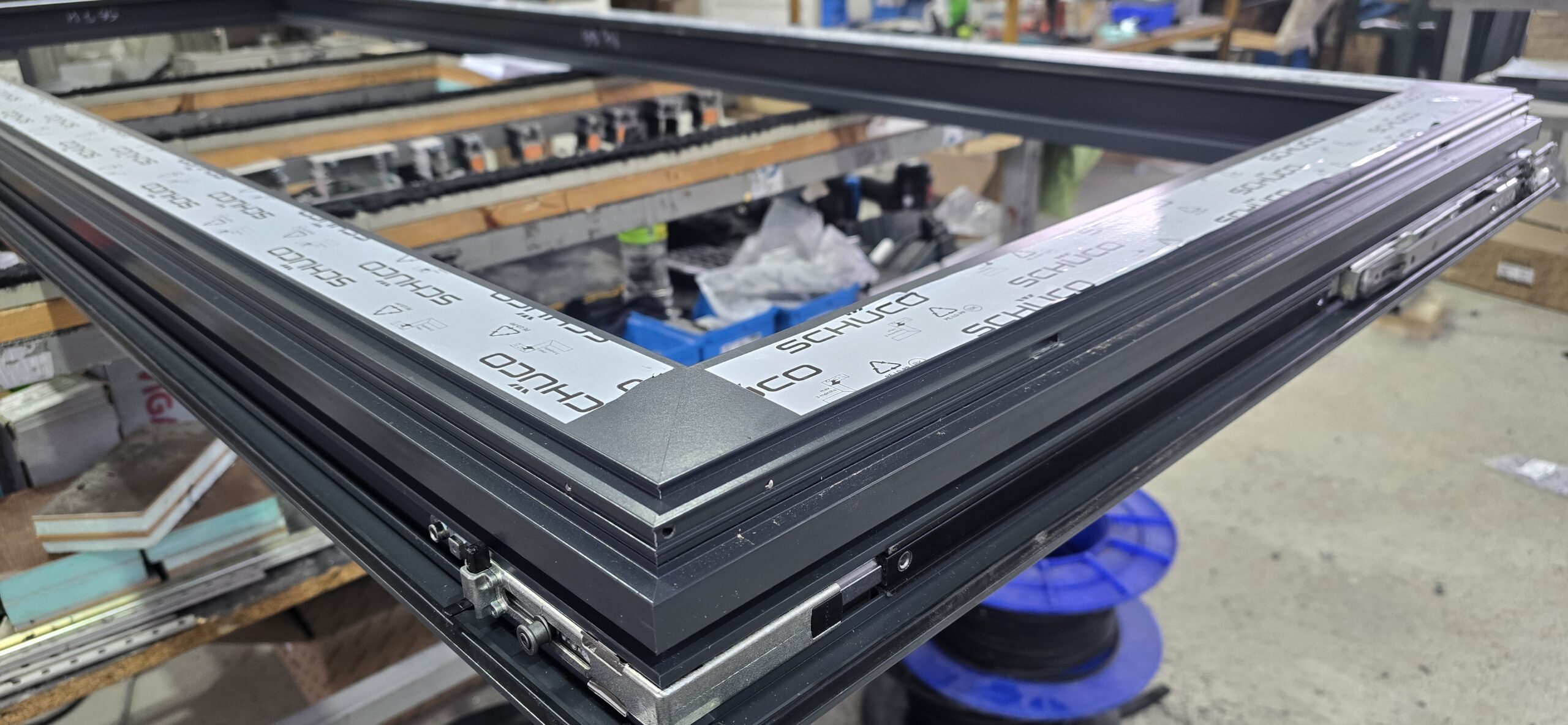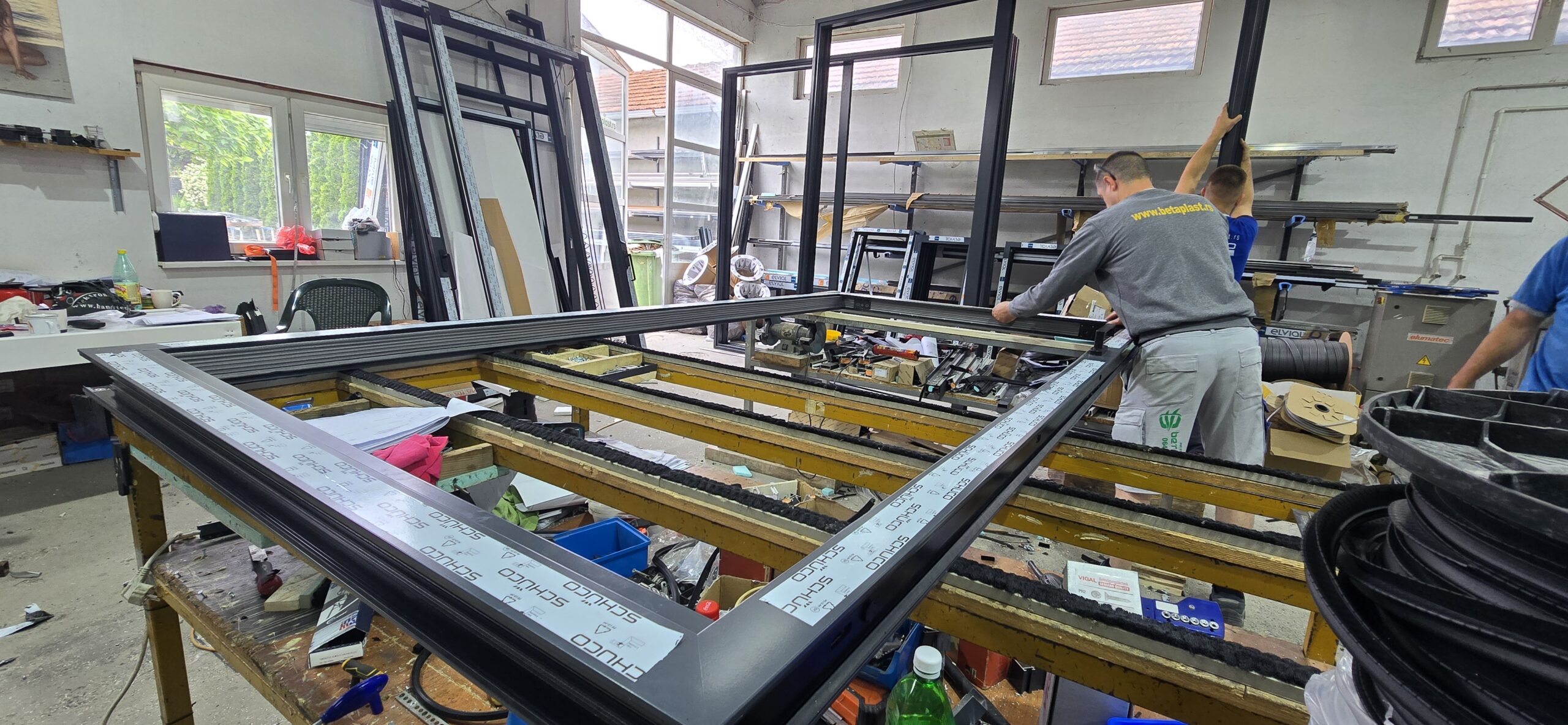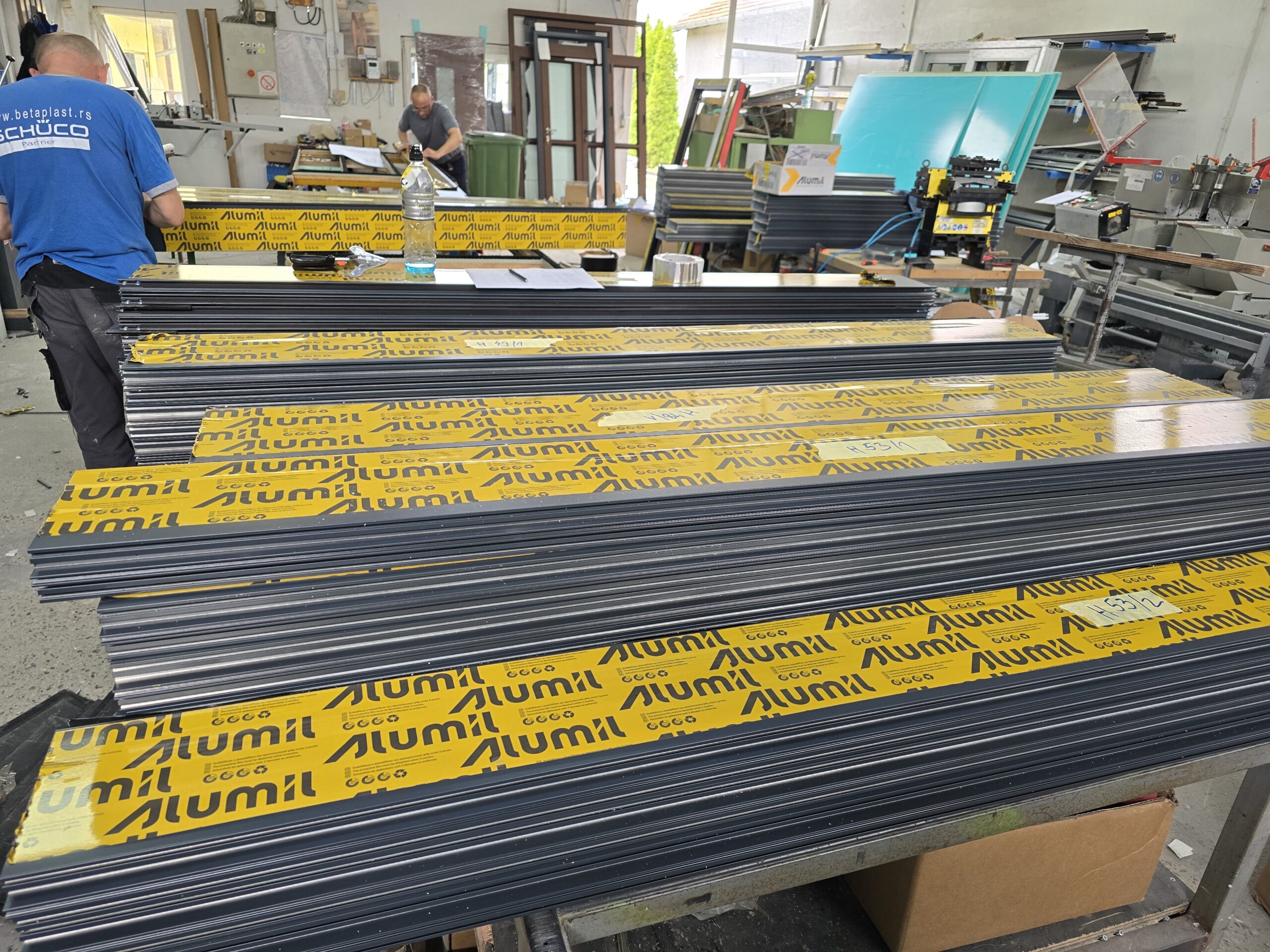
Aluminum joinery
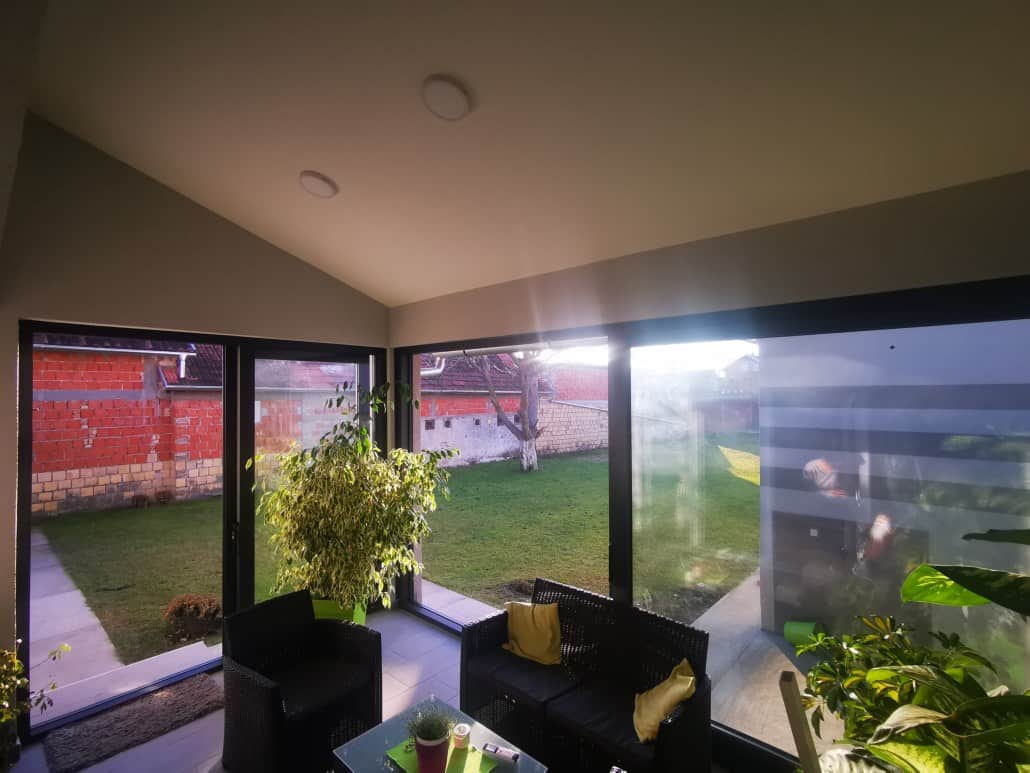
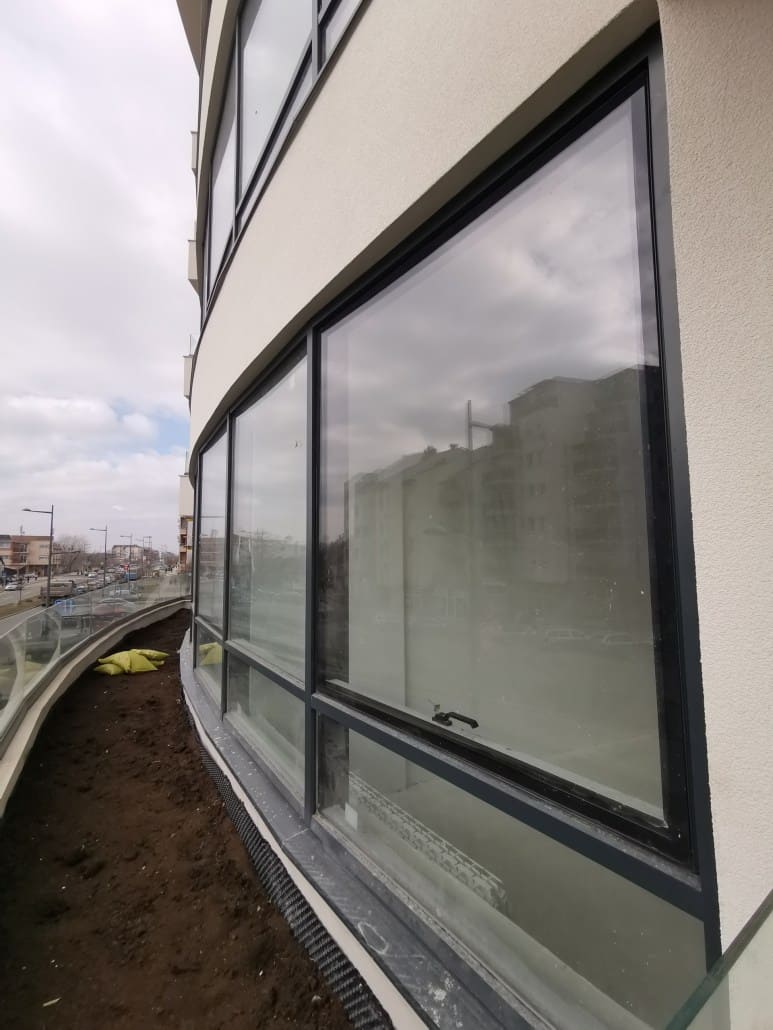
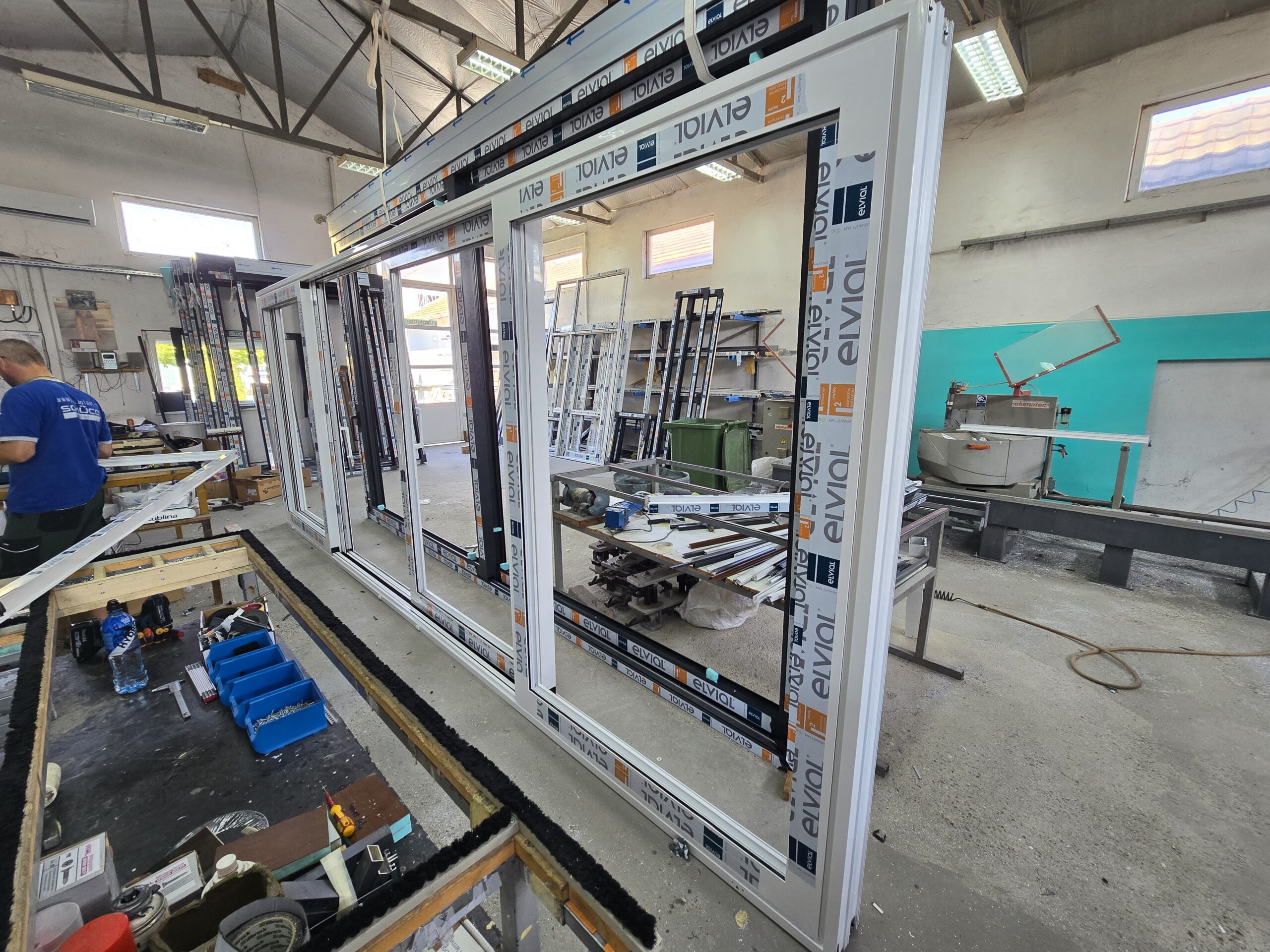
Different geometric shapes are used in modern architecture today, and aluminum is the perfect material that can fulfill all these requirements and expectations.
Different geometric shapes are used in modern architecture today, and aluminum is the perfect material that can fulfill all these requirements and expectations.
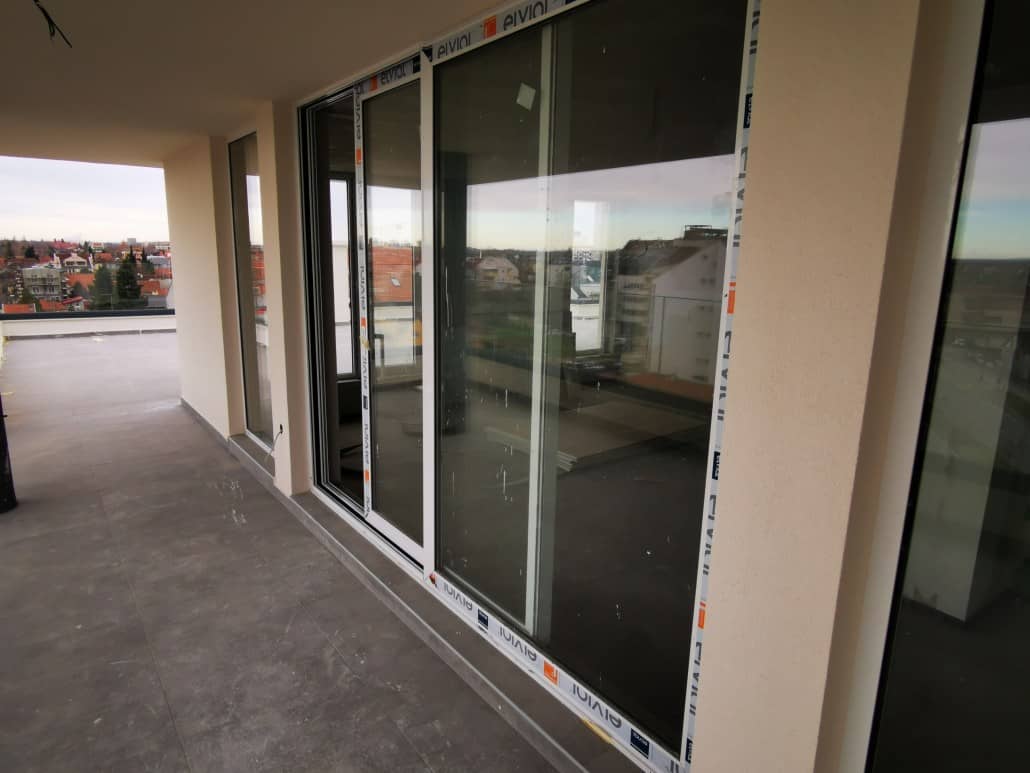
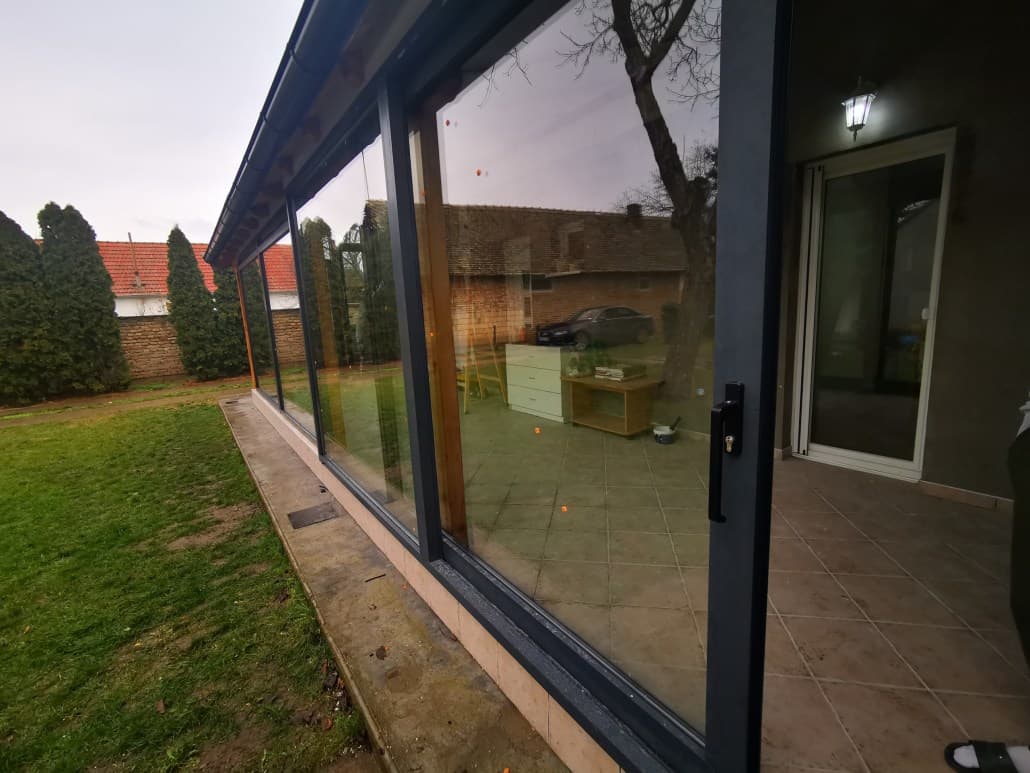
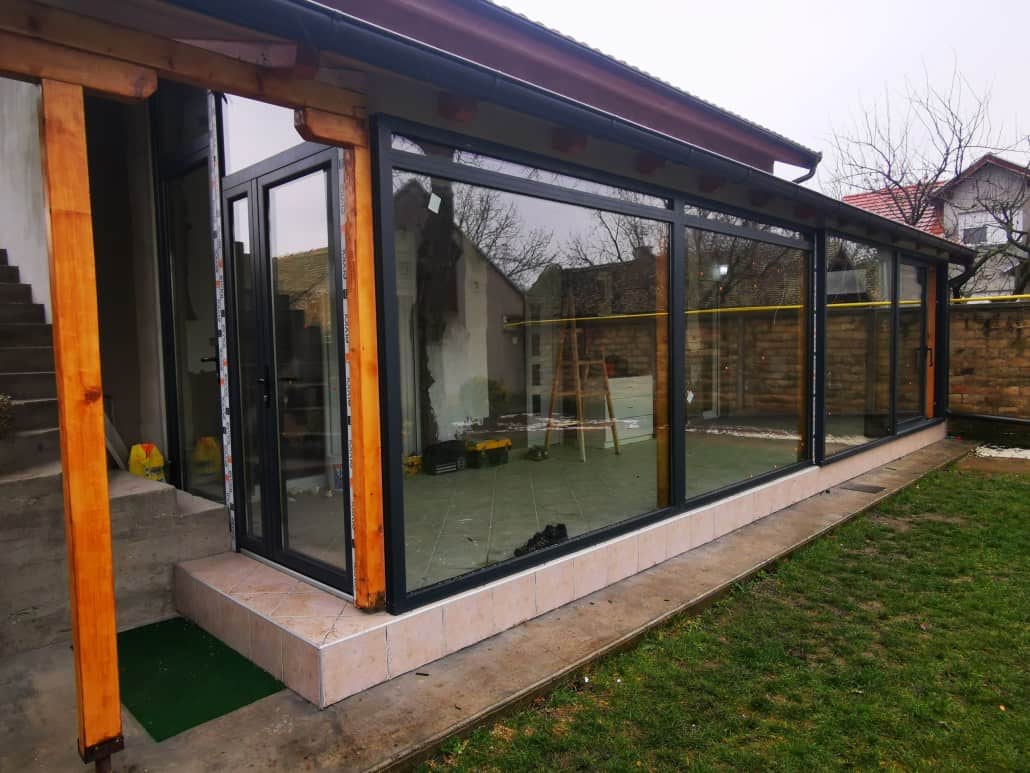
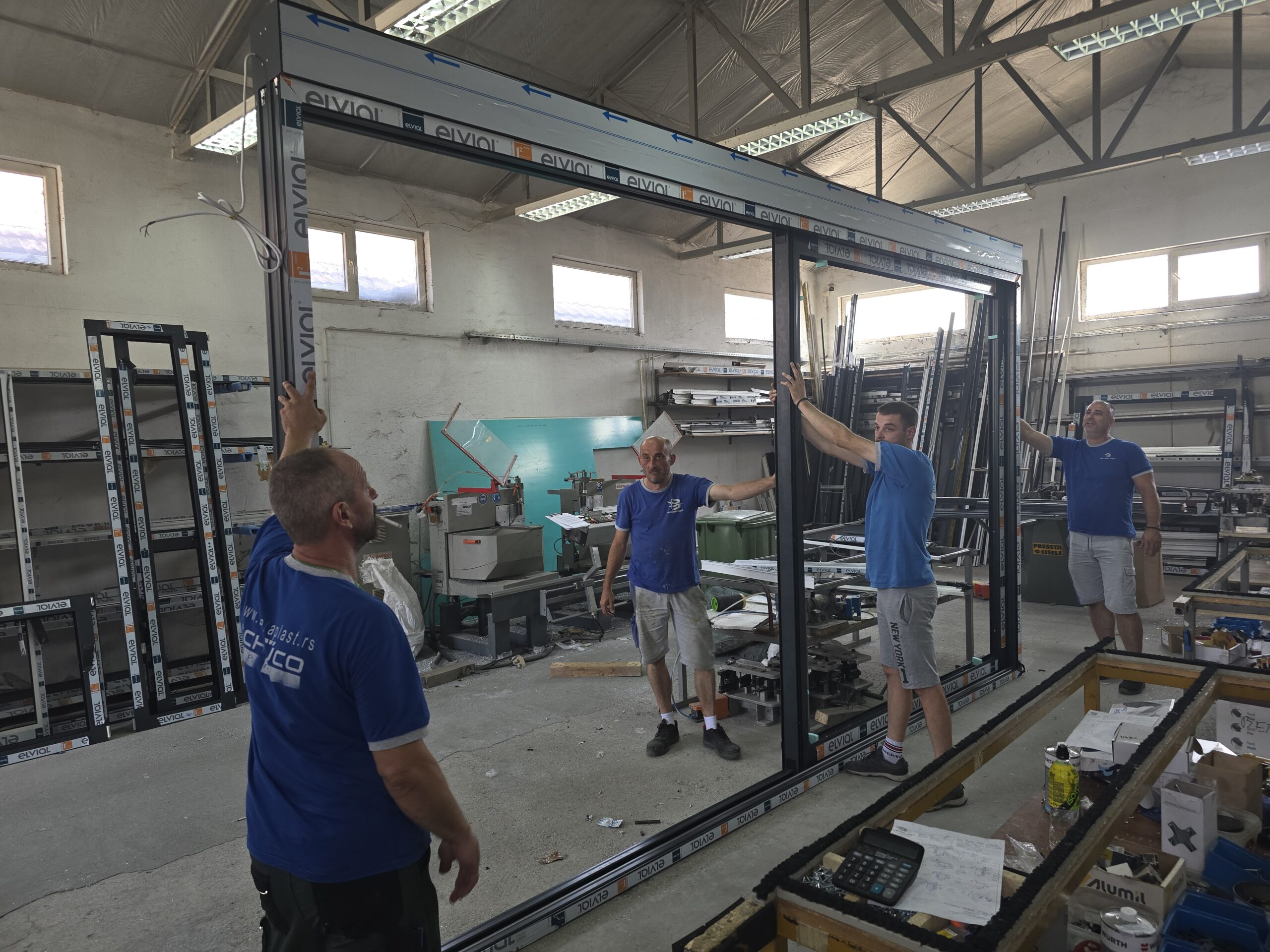
Aluminum joinery is lighter than PVC and as such is suitable for glazing larger surfaces, such as glass facades as well as office (business) space.
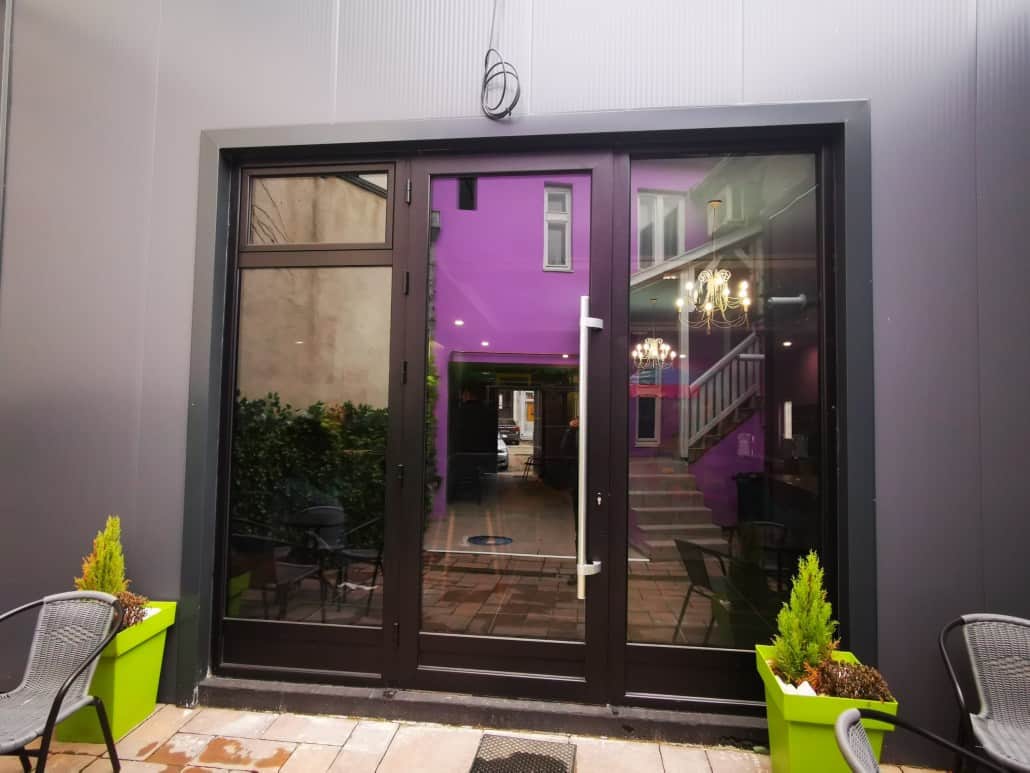
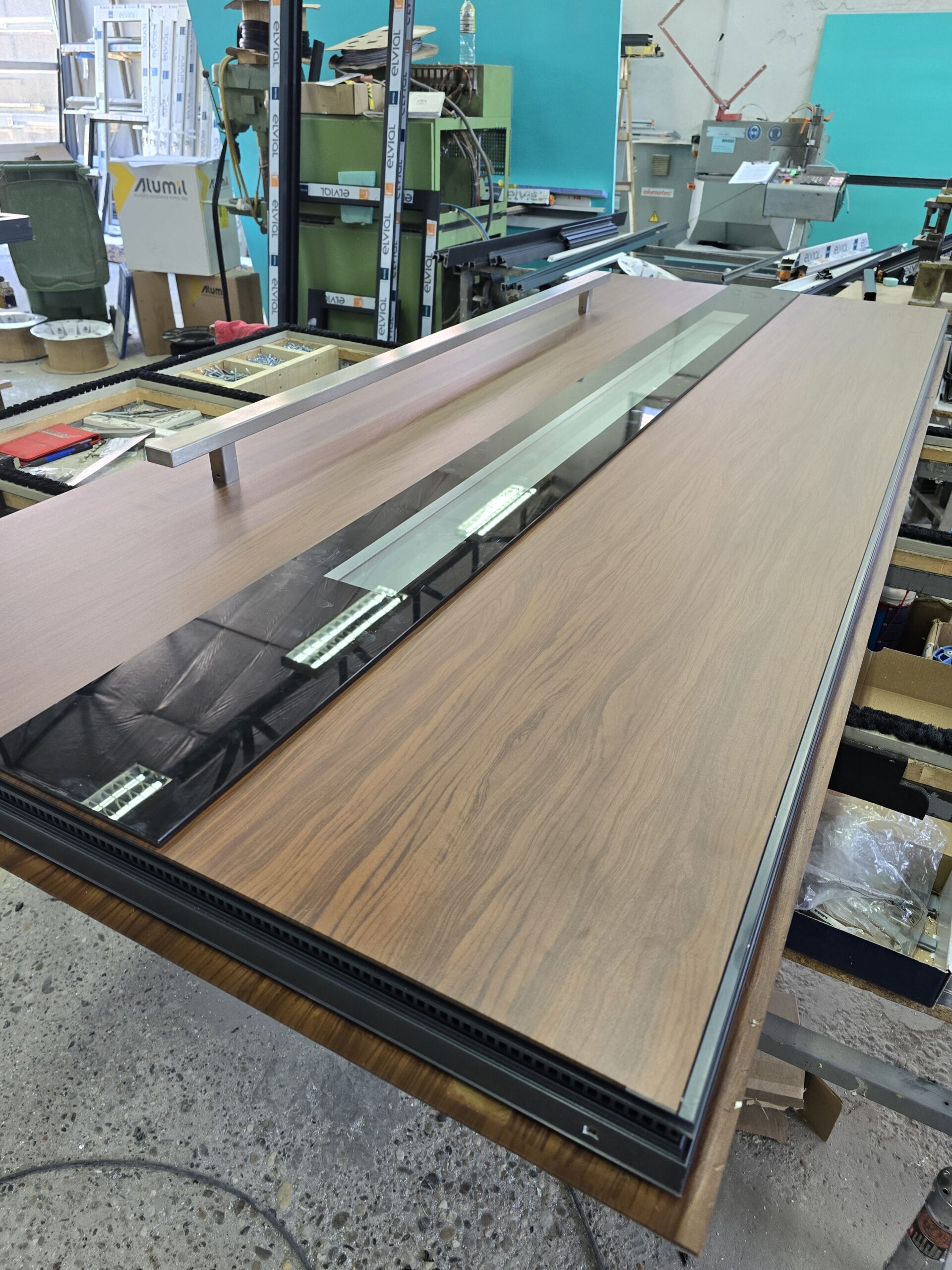
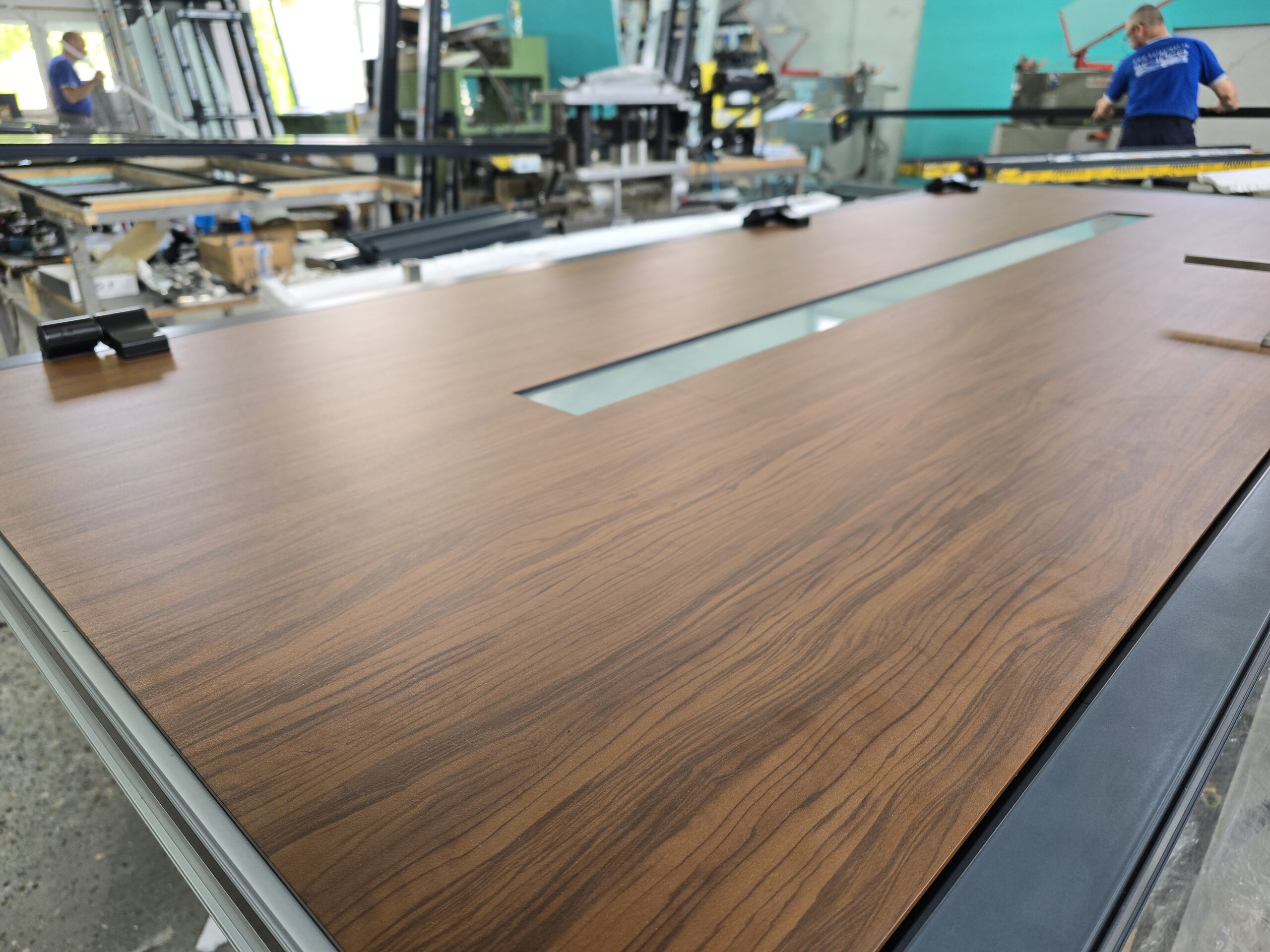
Aluminum joinery with its appearance and large selection of colors, it meets all aesthetic requirements, and its smooth surface and perfect finish make it very easy to maintain.
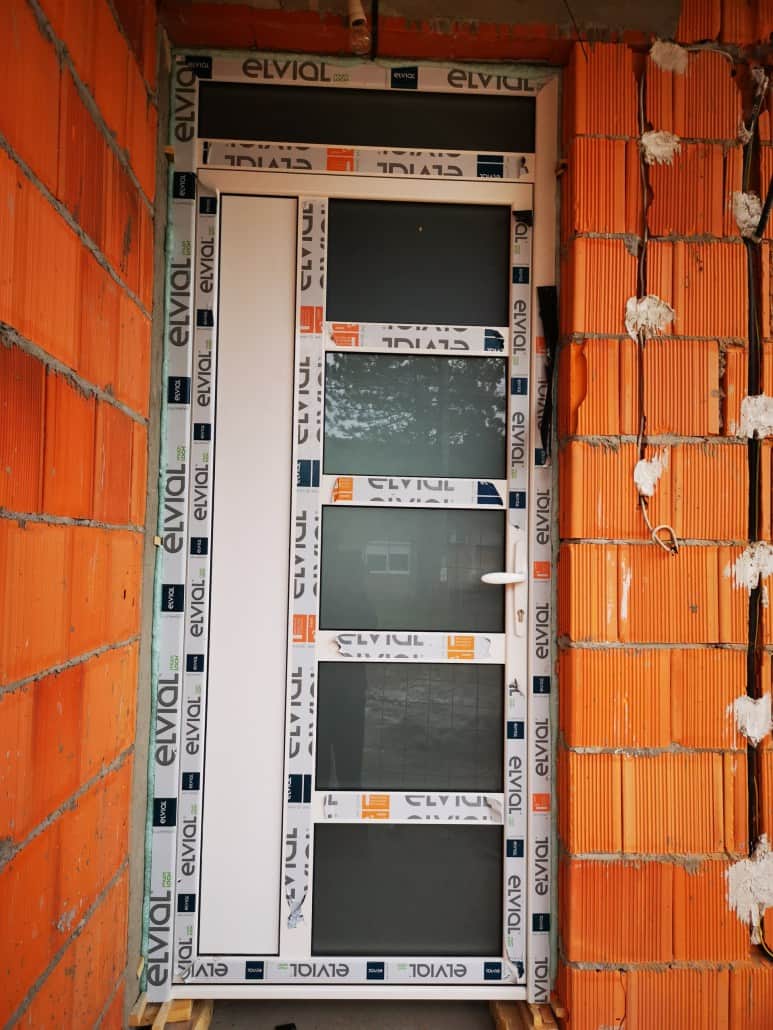
Aluminum joinery can be adapted to openings of any size, even non-standard openings.
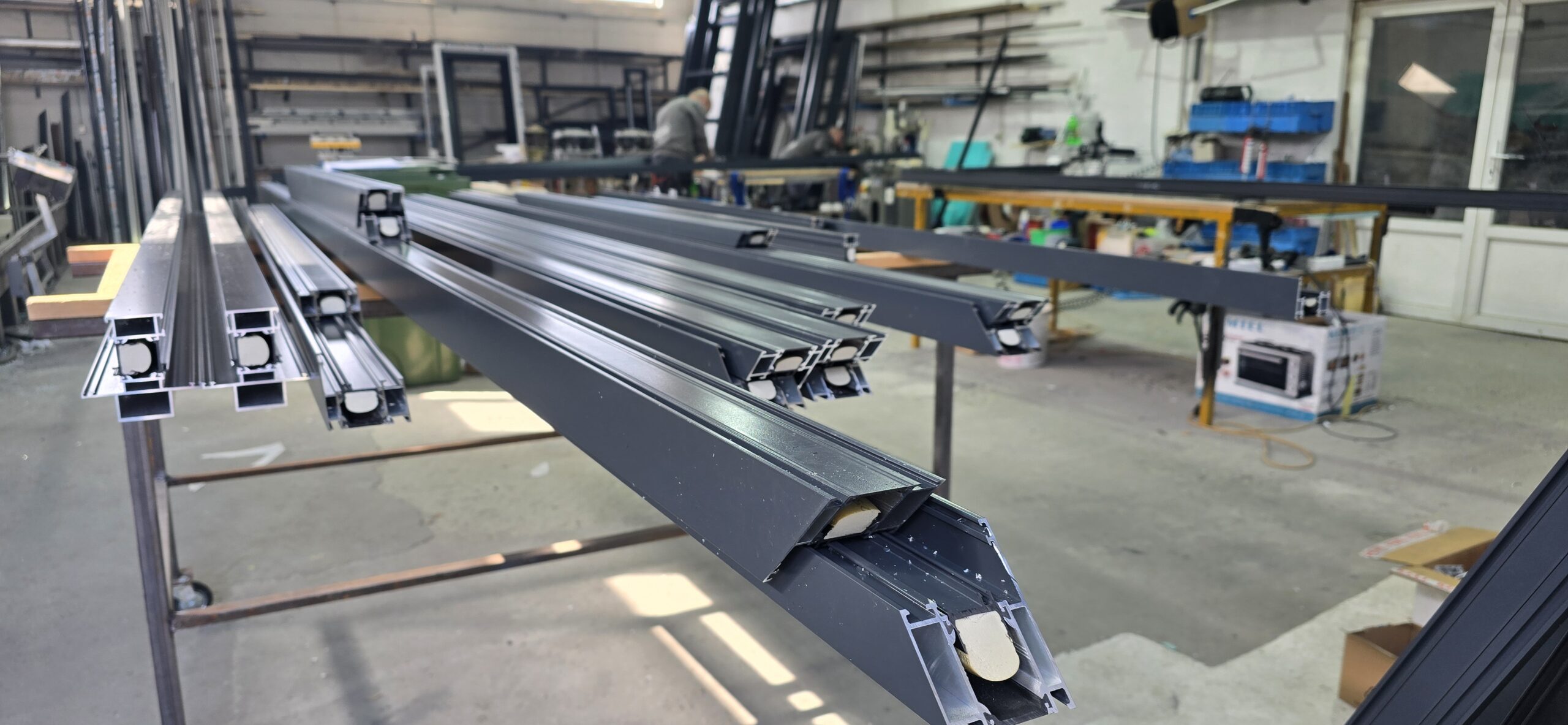
Aluminum is a metal and, like all metals, it is a good conductor of heat, so its insulating properties are significantly worse than those of PVC. However, today's aluminum joinery is produced with a thermal break (thermal bridge), so the thermal and sound characteristics are significantly improved.
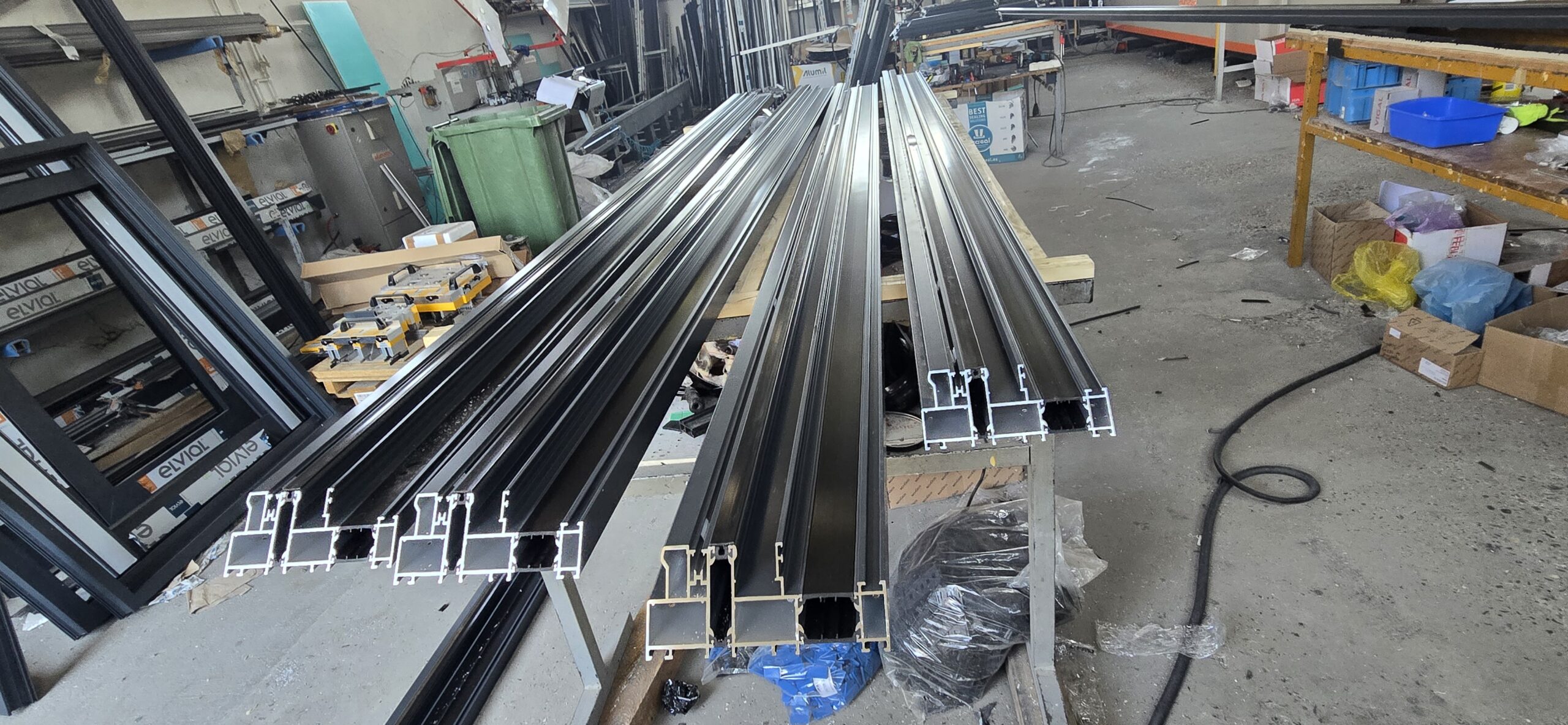
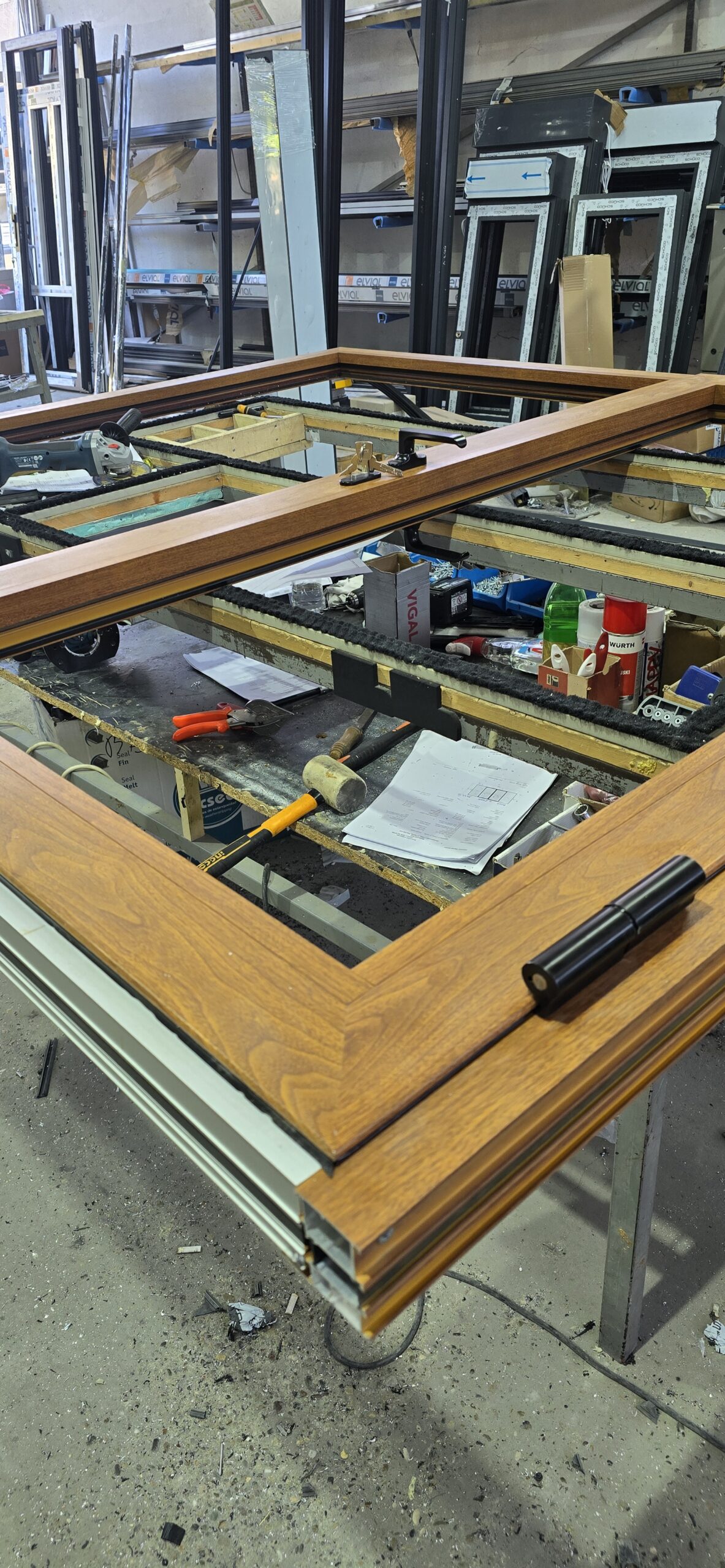
Aluminum joinery can be made of plasticized or anodized profiles with an interrupted thermal bridge or without a thermal bridge, the so-called "cold profile". However, these are not the only divisions of aluminum joinery. Customers most often ask the question "Is it plasticized and does it have a broken thermal bridge?". It is not so simple because there are different thicknesses of profiles for the production of aluminum joinery, the number of chambers, the width of the thermal bridge, etc.
Advantages of aluminum joinery
- durability
- strength
- lighter than PVC
- modern look
- corrosion resistant
- good sound and thermal insulation (with thermal break)
- the right choice for larger carpentry
- easy to maintain
- large selection of colors (does not affect the price)
- eco friendly (recyclable)
- security, especially in combination with double safety glass
Disadvantages of aluminum joinery
- higher price compared to PVC joinery
- it decays faster in marine environments, due to the salt in the air
- thermal insulation is slightly lower compared to PVC
Systems with a broken thermal bridge
they are used on buildings that require high thermal insulation.
Systems without
broken thermal bridge
they are used for the production of internal elements, temperature-treated equally from the outside and the inside, as well as for types of buildings where the thermal insulation of the profile is not an important feature, such as, for example, production halls, glass windows, etc.